Cross-Platform Apps, Native Experience
Reach iOS and Android users simultaneously with a single codebase. InterCode builds cross-platform applications using React Native and Flutter that deliver native-quality performance at a fraction of the cost and timeline of building two separate apps.
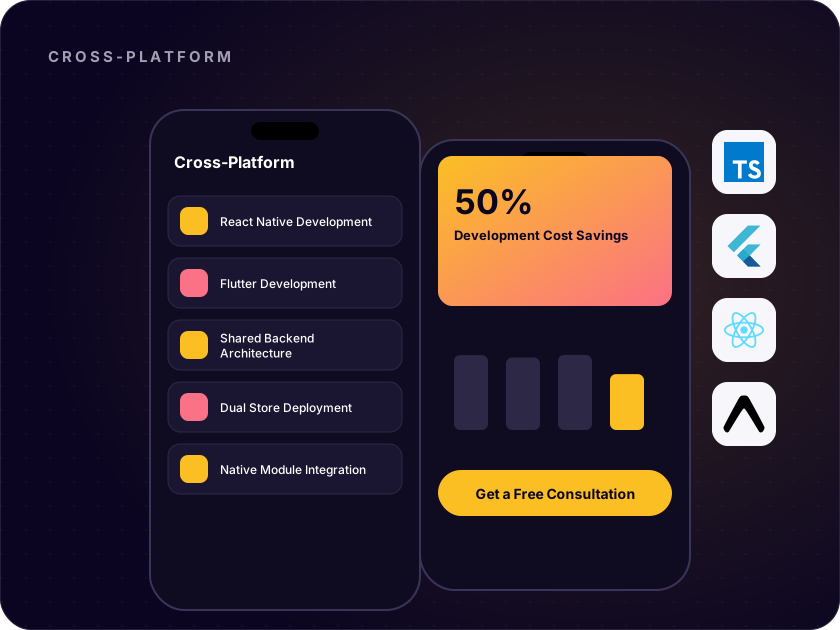
One Codebase, Every Platform
Building separate native apps for iOS and Android doubles your development cost, timeline, and maintenance burden. Modern cross-platform frameworks like React Native and Flutter have closed the performance gap, making it possible to deliver native-quality experiences from a shared codebase.
InterCode's cross-platform development team builds applications that look and feel native on both platforms while sharing up to 90% of the code. We handle platform-specific optimizations, native module integration, and app store submissions for both iOS and Android, giving you complete mobile coverage with a single development effort.
Whether you are launching a new mobile product or extending a web application to mobile, InterCode's cross-platform expertise gets you to market faster without compromising on quality or user experience.
Related Case Studies
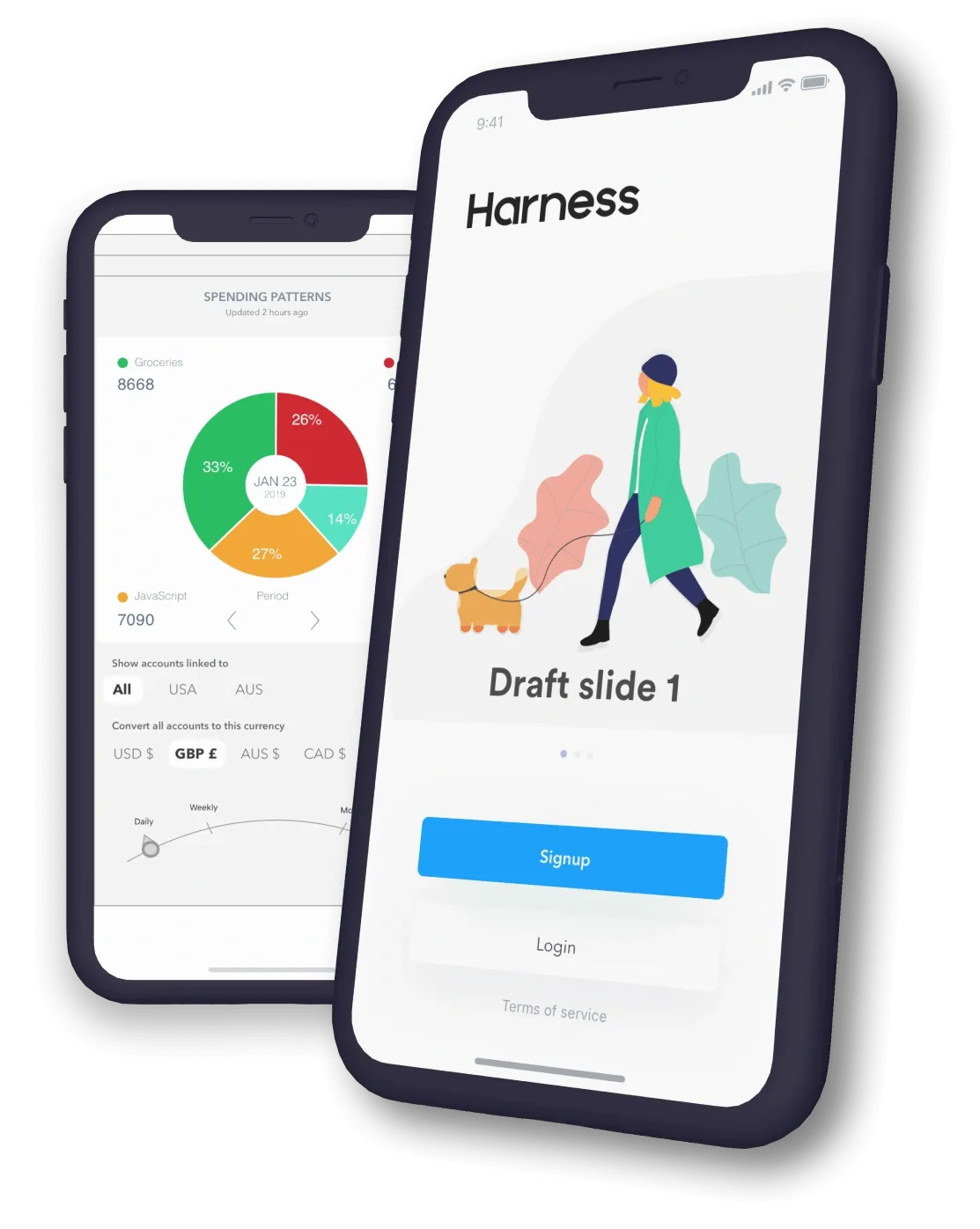
Fintech Mobile Banking App — Harness
Mobile banking system that allows its customers to conduct financial transactions remotely using a mobile device.
Read case study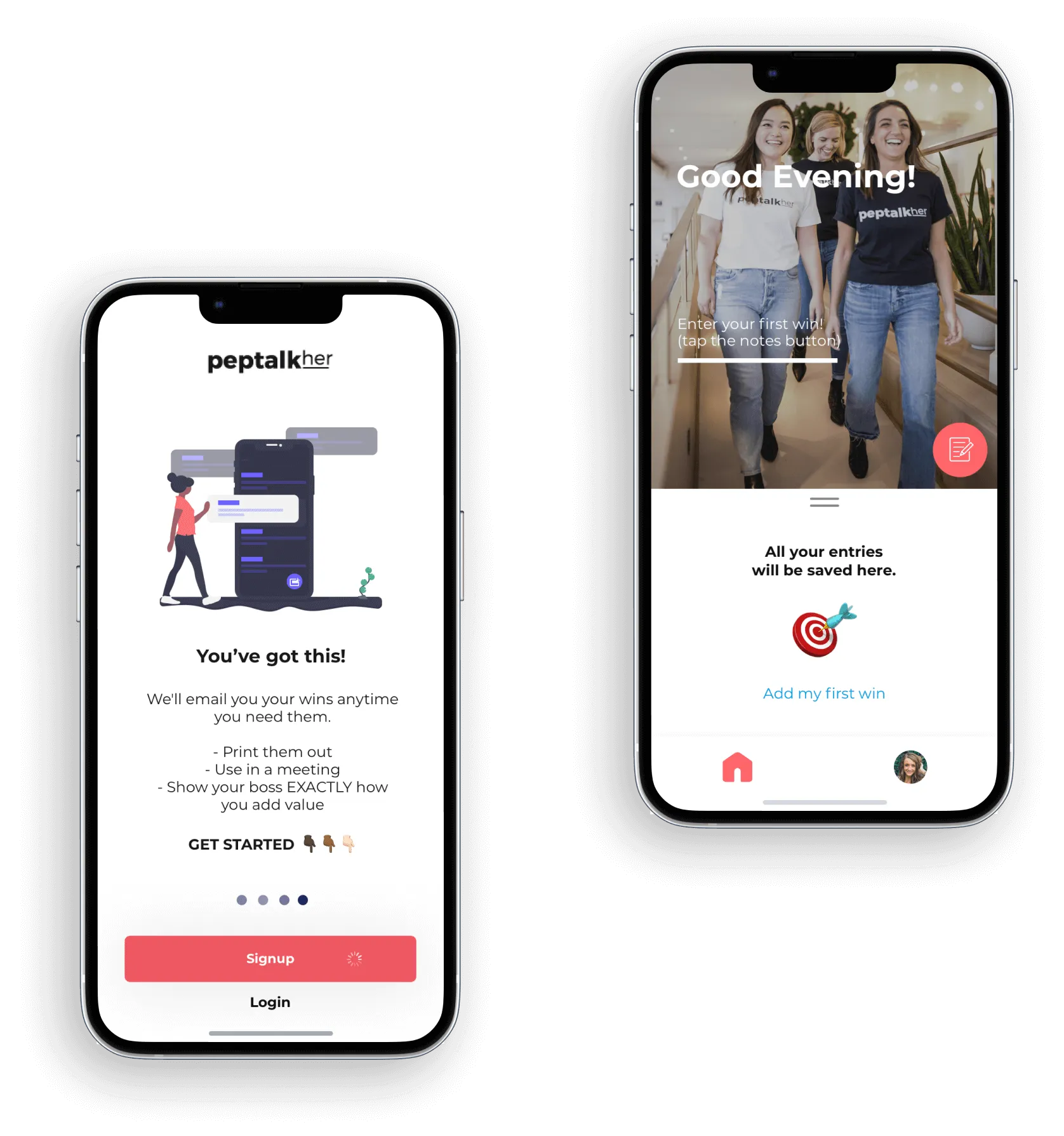
Women's Career Coaching App — PepTalkHer
The Mobile App gives you a career pep talk when you need it most. It helps you track your career successes to coach users in confidence & negotiation skills by creating notes, AKA wins and sharing it with bosses.
Read case study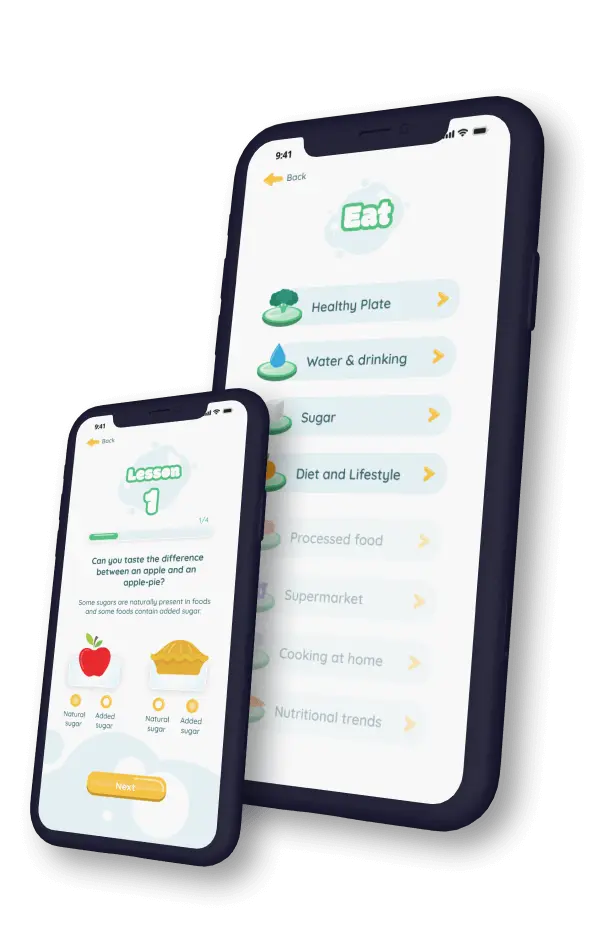
Children's Health & Wellness Mobile App — BeeHealthy
BeeHealthy aims to support Ukrainian refugee children by providing stress management, nutrition education, and exercise activities through an accessible mobile app, aiding in their holistic well-being and resilience.
Read case studyWhat We Deliver
Cross-platform mobile development that feels native on every device.
React Native Development
JavaScript-based cross-platform apps leveraging React's component model and vast ecosystem.
- Shared code with React web apps
- Native modules for platform-specific features
Flutter Development
Dart-powered apps with custom rendering for pixel-perfect, high-performance interfaces.
- Custom UI with Skia engine
- Hot reload for rapid development
Shared Backend Architecture
Unified API layer and business logic that serves both mobile platforms and web.
- Single API for all clients
- Shared authentication and data models
Dual Store Deployment
Simultaneous submission and optimization for both App Store and Google Play.
- Platform-specific ASO strategies
- Coordinated release management
Native Module Integration
Access device hardware and platform-specific APIs through custom native bridges when needed.
- Camera, GPS, and biometrics
- Push notifications and deep linking
Our Development Process
Platform Strategy
We evaluate your requirements to recommend the best cross-platform framework and architecture.
- React Native vs Flutter analysis
- Platform-specific feature planning
Unified UX Design
Design system that adapts to iOS and Android conventions while maintaining brand consistency.
- Platform-adaptive components
- Shared design tokens
Shared Core Development
Build the shared business logic, navigation, and UI components that work across both platforms.
- State management architecture
- Reusable component library
Platform Optimization
Fine-tune platform-specific behaviors, animations, and native integrations.
- iOS and Android gesture handling
- Platform-specific permissions
Testing Across Devices
Comprehensive testing on real iOS and Android devices to ensure quality across both platforms.
- Device lab testing
- Platform-specific edge case handling
Dual Store Launch
Coordinated submission to both App Store and Google Play with platform-optimized listings.
- App Store and Play Store compliance
- Launch monitoring on both platforms
Platform Strategy
We evaluate your requirements to recommend the best cross-platform framework and architecture.
- React Native vs Flutter analysis
- Platform-specific feature planning
Unified UX Design
Design system that adapts to iOS and Android conventions while maintaining brand consistency.
- Platform-adaptive components
- Shared design tokens
Shared Core Development
Build the shared business logic, navigation, and UI components that work across both platforms.
- State management architecture
- Reusable component library
Platform Optimization
Fine-tune platform-specific behaviors, animations, and native integrations.
- iOS and Android gesture handling
- Platform-specific permissions
Testing Across Devices
Comprehensive testing on real iOS and Android devices to ensure quality across both platforms.
- Device lab testing
- Platform-specific edge case handling
Dual Store Launch
Coordinated submission to both App Store and Google Play with platform-optimized listings.
- App Store and Play Store compliance
- Launch monitoring on both platforms
Cross-Platform Technology Stack
We use industry-leading frameworks for cross-platform development.






We recommend React Native for teams with React/JavaScript expertise and Flutter for projects requiring highly custom UI. Both frameworks deliver near-native performance with significantly faster development cycles.
Why InterCode for Cross-Platform Development
Faster Time-to-Market
A single codebase means you launch on both platforms simultaneously, cutting development time by 40-50%.
Lower Total Cost
One team maintains one codebase instead of two, reducing ongoing development and maintenance costs significantly.
Native-Quality UX
We optimize for each platform's conventions and guidelines, ensuring your app feels native on both iOS and Android.
Web + Mobile Synergy
React Native shares code with React web apps, enabling even greater reuse if you have a web application.
From Our Blog
Insights and practical guides from our engineering team
Custom Code vs No-Code vs AІ
Of course, we don’t know what is best for you in your specific case. But we know for sure that the best solution for us is Custom сode.
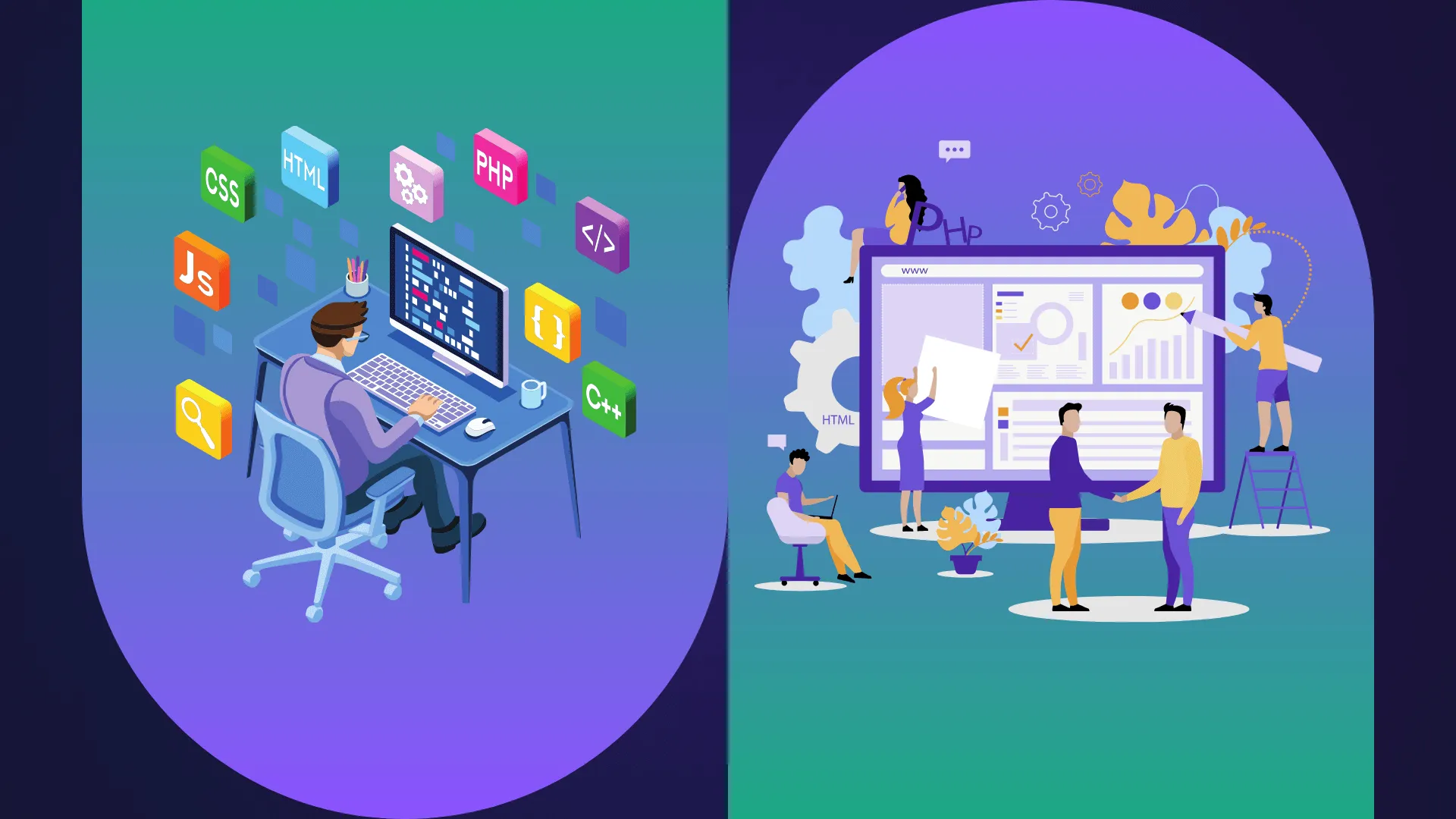
To hire a freelancer OR a company. What to choose?
Whether you're looking for a freelancer or a company to help with your projects, knowing the difference is key.
PWA + AMP: The Future of Fast, Engaging, and Reliable Web Applications
Learn how combining Progressive Web Apps (PWA) and Accelerated Mobile Pages (AMP) can supercharge your mobile website's speed, engagement, and user experience.
Frequently Asked Questions
React Native is ideal if your team has JavaScript/React expertise or you want to share code with a React web app. Flutter is better for highly custom UIs, animation-heavy apps, or when starting from scratch. InterCode has deep expertise in both and can recommend the best choice based on your specific project requirements.
For 95% of applications, yes. Both React Native and Flutter deliver near-native performance that users cannot distinguish from fully native apps. The rare exceptions are graphics-intensive games or apps requiring very specialized hardware access. We benchmark performance during development to ensure it meets your standards.
Typically 80-95% of the codebase is shared between platforms. Business logic, API integration, state management, and most UI components are fully shared. Platform-specific code is only needed for native module bridges, some animations, and platform-specific UI patterns.
Absolutely. Both React Native and Flutter support native module integration for accessing device hardware like cameras, GPS, biometrics, and Bluetooth. When a native capability is needed, we write platform-specific bridge code that integrates seamlessly with the shared codebase.
Cross-platform apps are approved at the same rate as native apps. Apple and Google do not discriminate based on the development framework. Our apps comply with all platform guidelines, and we have a strong approval track record on both stores.
Yes, though we recommend a gradual approach. We can rebuild your app screen by screen in the cross-platform framework while maintaining the native version. This lets you validate the cross-platform approach with real users before fully committing to the transition.
Ready to Build for iOS and Android Simultaneously?
Share your app requirements and we will recommend the best cross-platform approach with a detailed roadmap and estimate.
Contact Us