Generative AI Development for Production
Move beyond prototypes with production-grade generative AI solutions. InterCode builds LLM-powered applications with retrieval-augmented generation, fine-tuned models, and robust guardrails that deliver reliable, accurate results in real business environments.
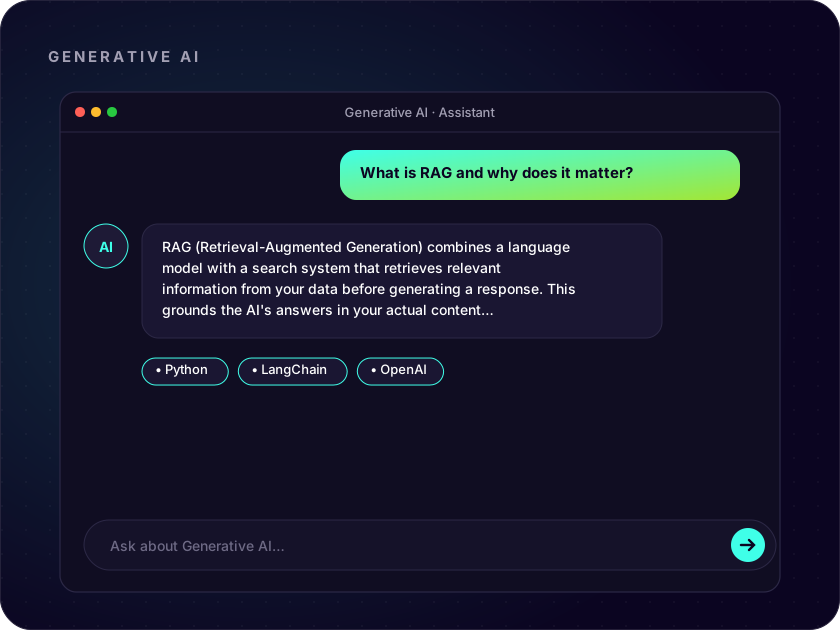
Generative AI That Works in the Real World
The gap between a ChatGPT demo and a production generative AI system is enormous. InterCode bridges that gap by building LLM-powered applications that are accurate, reliable, and safe for enterprise use. We combine deep expertise in large language models with rigorous engineering practices to deliver generative AI solutions that your business can depend on.
Our generative AI services cover the full spectrum: from RAG (Retrieval-Augmented Generation) systems that ground LLM responses in your proprietary data, to fine-tuned models trained on your domain, to AI agent orchestration for complex multi-step workflows. Every solution includes comprehensive evaluation, monitoring, and guardrails.
Whether you need an intelligent customer support system, automated content generation, document analysis, or a custom AI assistant, InterCode delivers generative AI applications that are production-ready from day one.
Related Case Studies
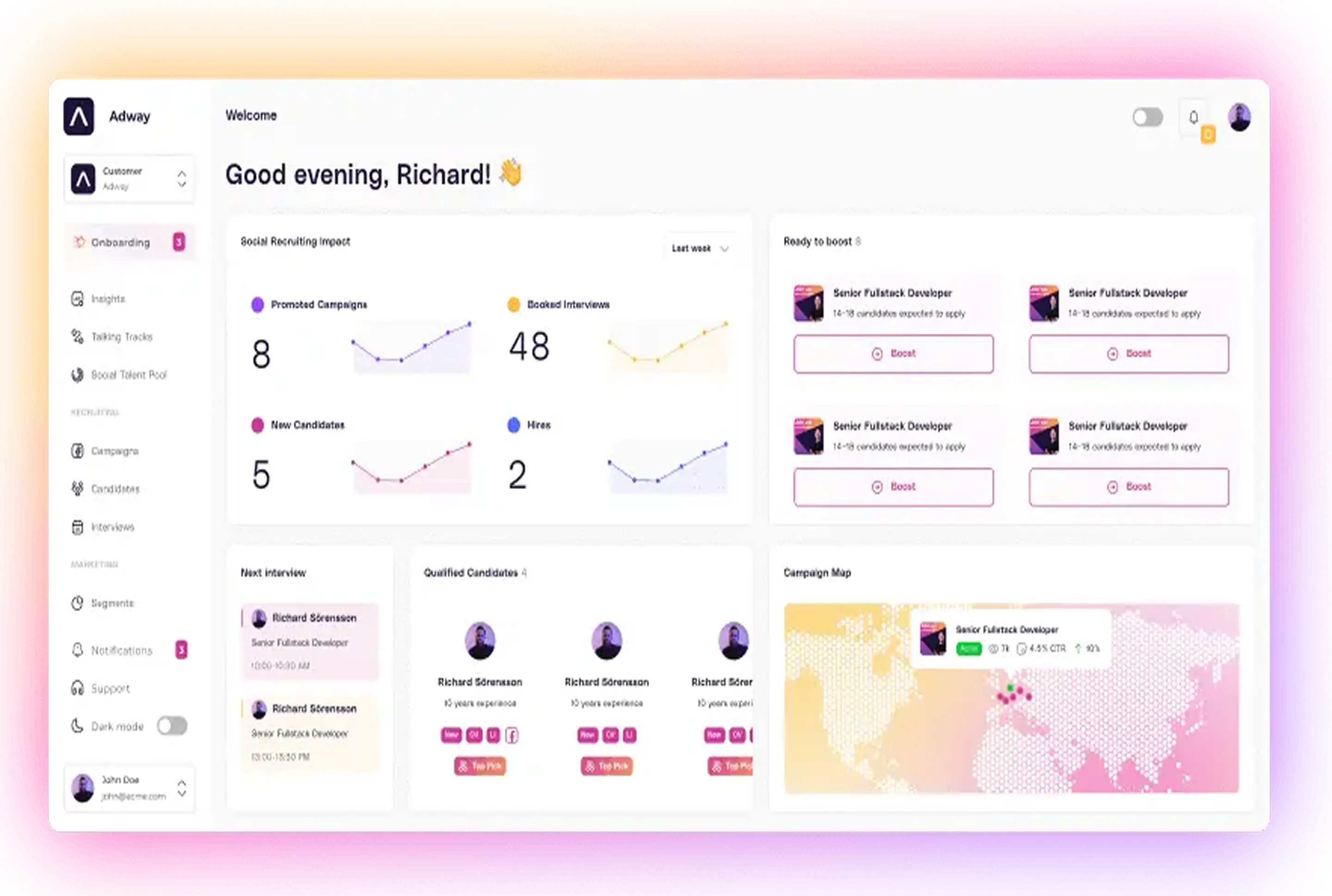
AI Social Recruiting SaaS Platform — Adway
AI-driven HR Tech SaaS solution with connected social media ads API to help job seekers promote them and find a job. The platform's AI recruiting capabilities have been recognized in the Fosway 9-Grid™ for Talent Acquisition.
Read case study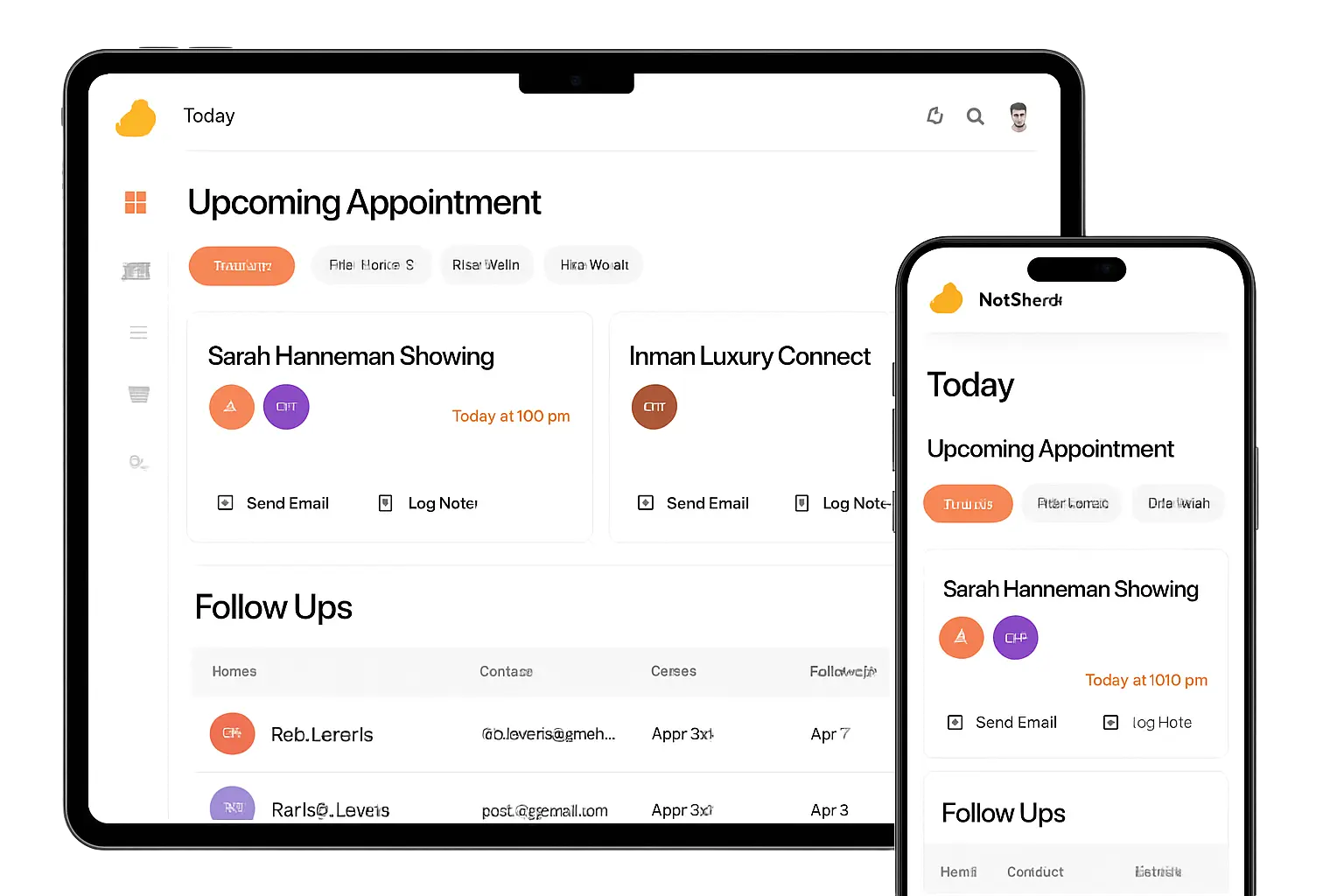
AI Real Estate CRM Platform — MyHotSheet
An AI-native Real Estate CRM built for agents. My Hotsheet helps you manage contacts, track deals, and automate follow-ups, so you can close more transactions and grow your business
Read case study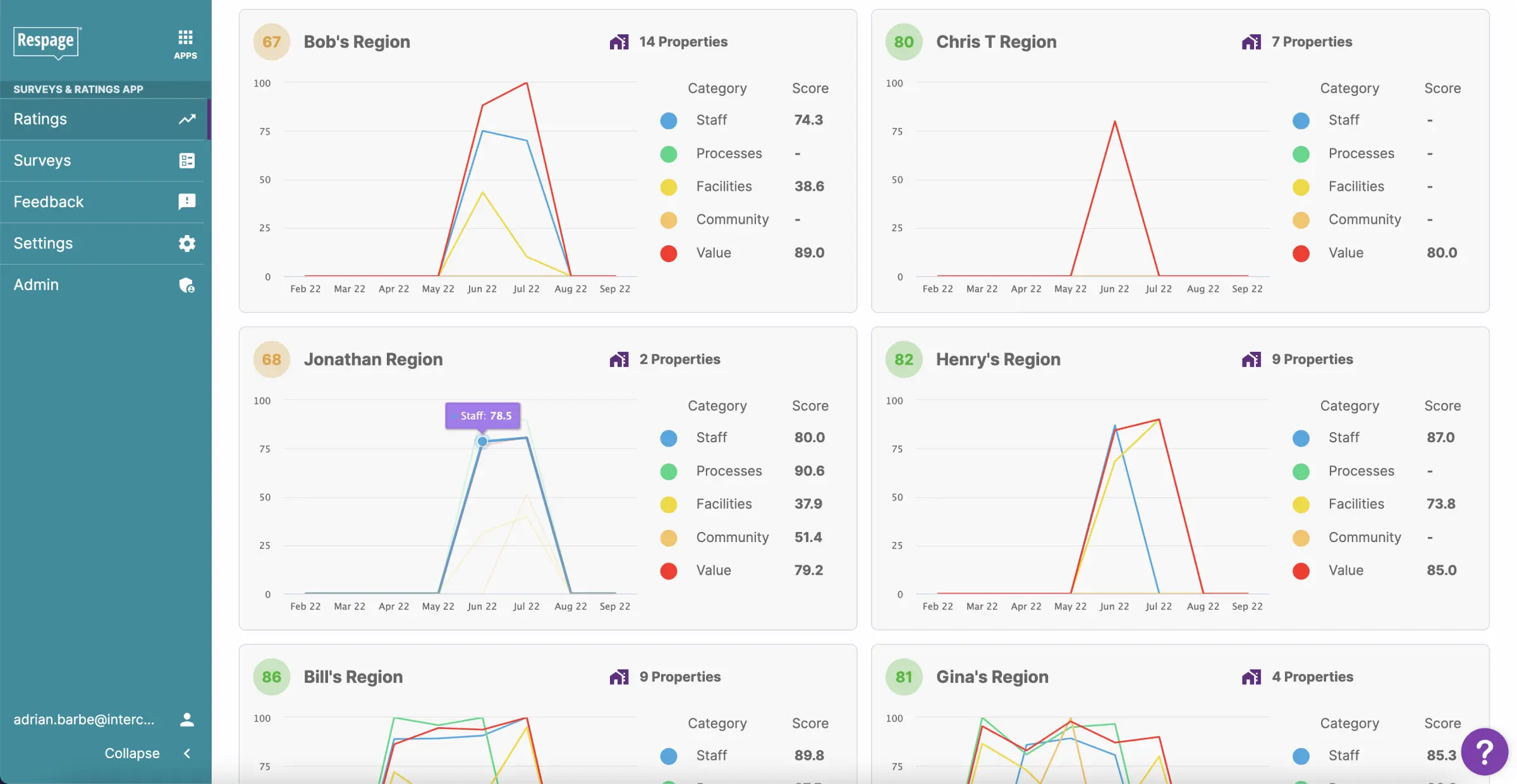
AI Apartment Marketing SaaS — Respage
Real estate Saas platform with events calendar, reports, chatbot, 3rd party API integrations, email and push notifications. Implemented in NodeJs, ExpressJs, MongoDb, Angular. Wide use of micro front-ends. Multifamily industry.
Read case studyWhat We Deliver
Production-grade generative AI solutions built for accuracy, reliability, and scale.
LLM Integration
Seamless integration of OpenAI, Anthropic, and open-source language models into your applications.
- GPT-4, Claude, Llama, and Mistral
- Multi-model routing and fallback
RAG Pipelines
Retrieval-augmented generation systems that ground AI responses in your proprietary data.
- Vector database architecture
- Chunking and embedding optimization
Model Fine-Tuning
Custom model training on your domain data for improved accuracy and reduced costs.
- LoRA and QLoRA fine-tuning
- Evaluation and benchmarking
AI Agent Development
Multi-step AI agents that reason, plan, and execute complex tasks using tools and APIs.
- LangChain and LangGraph orchestration
- Tool calling and function execution
Guardrails & Safety
Content filtering, output validation, and safety measures for responsible AI deployment.
- Hallucination detection
- PII filtering and content moderation
Evaluation & Monitoring
Continuous evaluation of AI output quality with automated testing and human-in-the-loop feedback.
- LLM evaluation frameworks
- Production quality dashboards
Our Development Process
Use Case Definition
Clearly define what the AI system needs to accomplish, its success criteria, and its failure modes.
- Input/output specification
- Accuracy and latency requirements
Data Preparation
Prepare, clean, and structure your data for effective retrieval and model training.
- Data pipeline design
- Embedding strategy optimization
Prototype & Validate
Build a functional prototype and validate accuracy against a curated evaluation dataset.
- Rapid prototyping with LangChain
- Benchmark against baseline
Production Engineering
Harden the prototype for production with caching, error handling, rate limiting, and monitoring.
- Streaming response architecture
- Cost optimization and caching
Safety & Guardrails
Implement content filtering, output validation, and fallback mechanisms for edge cases.
- Toxicity and PII filters
- Confidence-based escalation to humans
Deploy & Monitor
Production deployment with continuous monitoring, evaluation, and iterative improvement.
- A/B testing framework
- Quality regression detection
Use Case Definition
Clearly define what the AI system needs to accomplish, its success criteria, and its failure modes.
- Input/output specification
- Accuracy and latency requirements
Data Preparation
Prepare, clean, and structure your data for effective retrieval and model training.
- Data pipeline design
- Embedding strategy optimization
Prototype & Validate
Build a functional prototype and validate accuracy against a curated evaluation dataset.
- Rapid prototyping with LangChain
- Benchmark against baseline
Production Engineering
Harden the prototype for production with caching, error handling, rate limiting, and monitoring.
- Streaming response architecture
- Cost optimization and caching
Safety & Guardrails
Implement content filtering, output validation, and fallback mechanisms for edge cases.
- Toxicity and PII filters
- Confidence-based escalation to humans
Deploy & Monitor
Production deployment with continuous monitoring, evaluation, and iterative improvement.
- A/B testing framework
- Quality regression detection
Generative AI Technology Stack
We work with the leading tools and platforms in the generative AI ecosystem.







We select LLM providers and tools based on your accuracy requirements, latency constraints, cost targets, and data privacy needs, avoiding vendor lock-in wherever possible.
Why InterCode for Generative AI
Production Experience
We have deployed generative AI systems serving millions of requests. We know the difference between a demo and a production system.
Safety First
Every system includes guardrails, content filtering, and monitoring to prevent hallucinations and harmful outputs.
Measurable Quality
We build evaluation frameworks that quantify AI accuracy and track quality over time, not just vibes.
Data Privacy
Your proprietary data stays private. We design architectures that keep sensitive information out of third-party model providers.
Cost Optimized
We use caching, model routing, and fine-tuning strategies to minimize API costs without sacrificing quality.
From Our Blog
Insights and practical guides from our engineering team
Custom Code vs No-Code vs AІ
Of course, we don’t know what is best for you in your specific case. But we know for sure that the best solution for us is Custom сode.
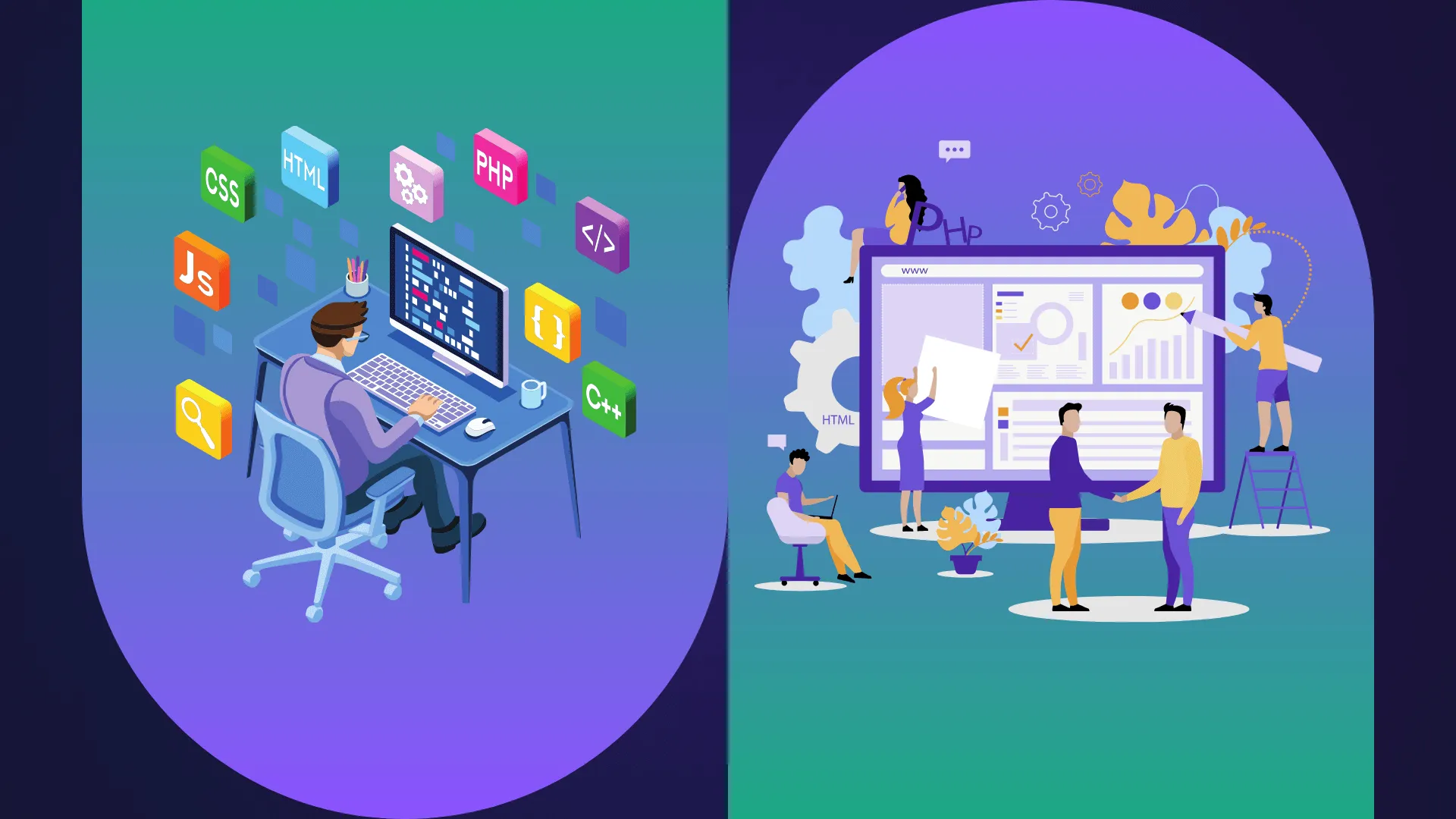
To hire a freelancer OR a company. What to choose?
Whether you're looking for a freelancer or a company to help with your projects, knowing the difference is key.
PWA + AMP: The Future of Fast, Engaging, and Reliable Web Applications
Learn how combining Progressive Web Apps (PWA) and Accelerated Mobile Pages (AMP) can supercharge your mobile website's speed, engagement, and user experience.
Frequently Asked Questions
RAG (Retrieval-Augmented Generation) combines a language model with a search system that retrieves relevant information from your data before generating a response. This grounds the AI's answers in your actual content, dramatically reducing hallucinations and enabling the AI to provide accurate, up-to-date information specific to your business.
RAG is the right choice for most use cases because it works with your existing data and can be updated without retraining. Fine-tuning is better when you need to change the model's behavior, tone, or reasoning patterns, or when you need faster response times. Many production systems combine both approaches for optimal results.
We use multiple techniques: RAG to ground responses in verified data, confidence scoring to flag uncertain responses, output validation against known facts, and human-in-the-loop escalation for critical decisions. Our monitoring systems track hallucination rates in production and alert when quality degrades.
We design architectures that protect your data. Options include using enterprise API tiers that do not train on your data, deploying open-source models on your own infrastructure, pre-processing to remove PII before it reaches the LLM, and using Azure OpenAI or AWS Bedrock for data residency compliance.
A focused RAG-based chatbot or assistant typically costs $40,000-$80,000 to develop and deploy. Complex multi-agent systems or custom fine-tuned models range from $100,000-$250,000+. Ongoing API costs depend on usage volume but can be optimized significantly through caching and model selection strategies.
A production-ready RAG system typically takes 6-10 weeks from data preparation through deployment. Fine-tuning projects add 2-4 weeks for data curation and training. Complex multi-agent systems take 3-5 months. We deliver working prototypes within the first 2-3 weeks so you can validate the approach early.
Ready to Build With Generative AI?
Tell us about your use case and data. We will design a generative AI solution architecture and provide a detailed implementation plan.
Contact Us