Dart Development Services
InterCode provides Dart development services, giving your applications direct access to native speed across mobile, desktop, and browser platforms. From MVP to App Store launch, we handle the full development lifecycle.
What is Dart?
The technical definition Dart teams rely on is simple: it is an object-oriented, class-based language with sound null safety. Maintained as the Dart language Google created for high-performance execution, Google Dart brings fast runtime execution and clean syntax to modern software stacks. Among modern programming languages, Dart stands out because of its dual compilation strategy. The programming language Dart supports both Ahead-Of-Time (AOT) machine code compilation and Just-In-Time (JIT) execution. When we write Dart programming logic, our team uses the official Dart SDK to build software that runs without heavy interpreter layers. Every piece of Dart code compiles down cleanly, whether saved in a small .dart script or structured inside a massive enterprise project.

Related Case Studies
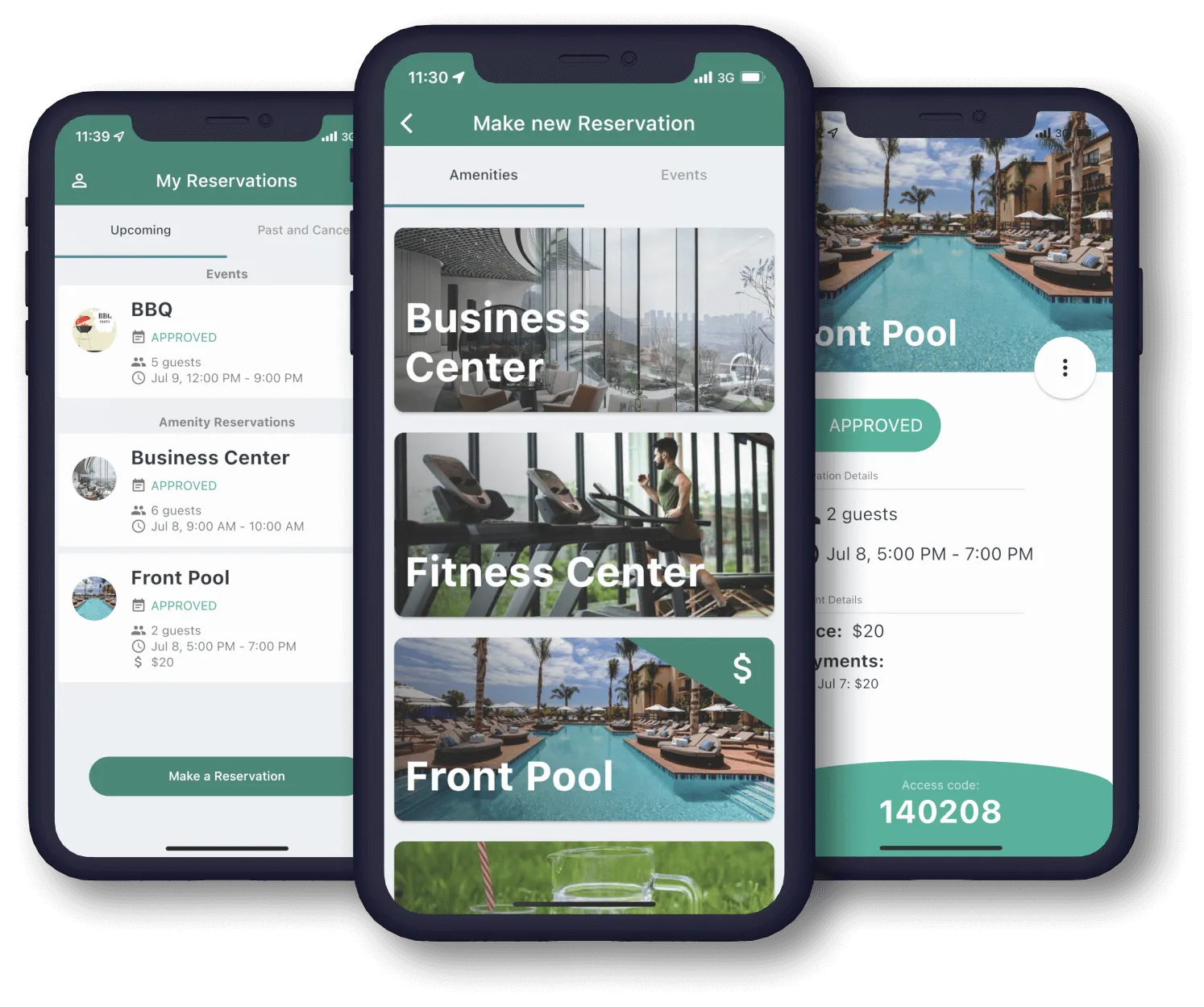
Multifamily Property Management Mobile App — Respage
Mobile app as an integral part of the bigger SaaS Platform for managing reservations, posting social posts, receiving push notifications and alerts. Developed in Flutter it is an app able to run both iOS and Android platforms.
Read case study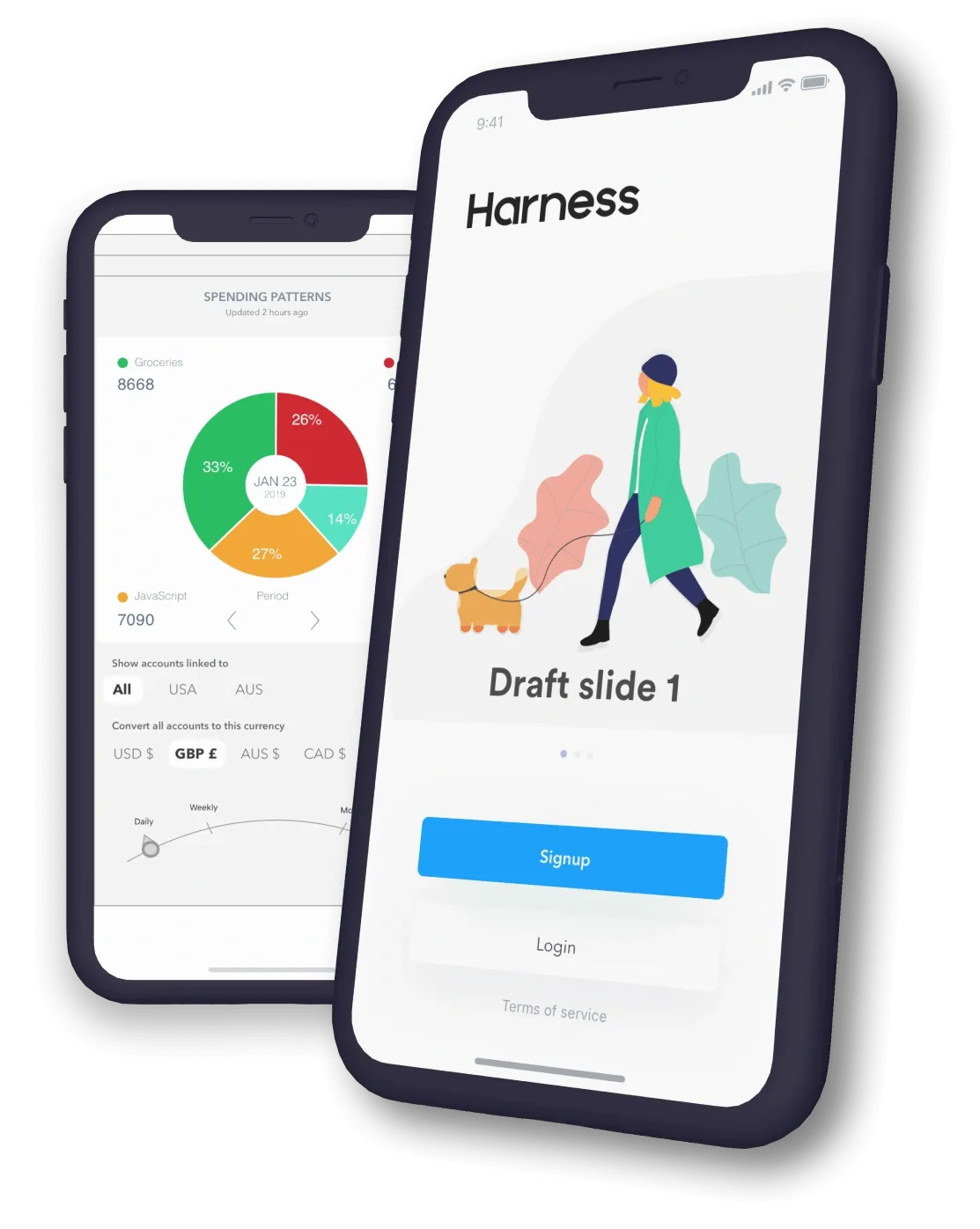
Fintech Mobile Banking App — Harness
Mobile banking system that allows its customers to conduct financial transactions remotely using a mobile device.
Read case study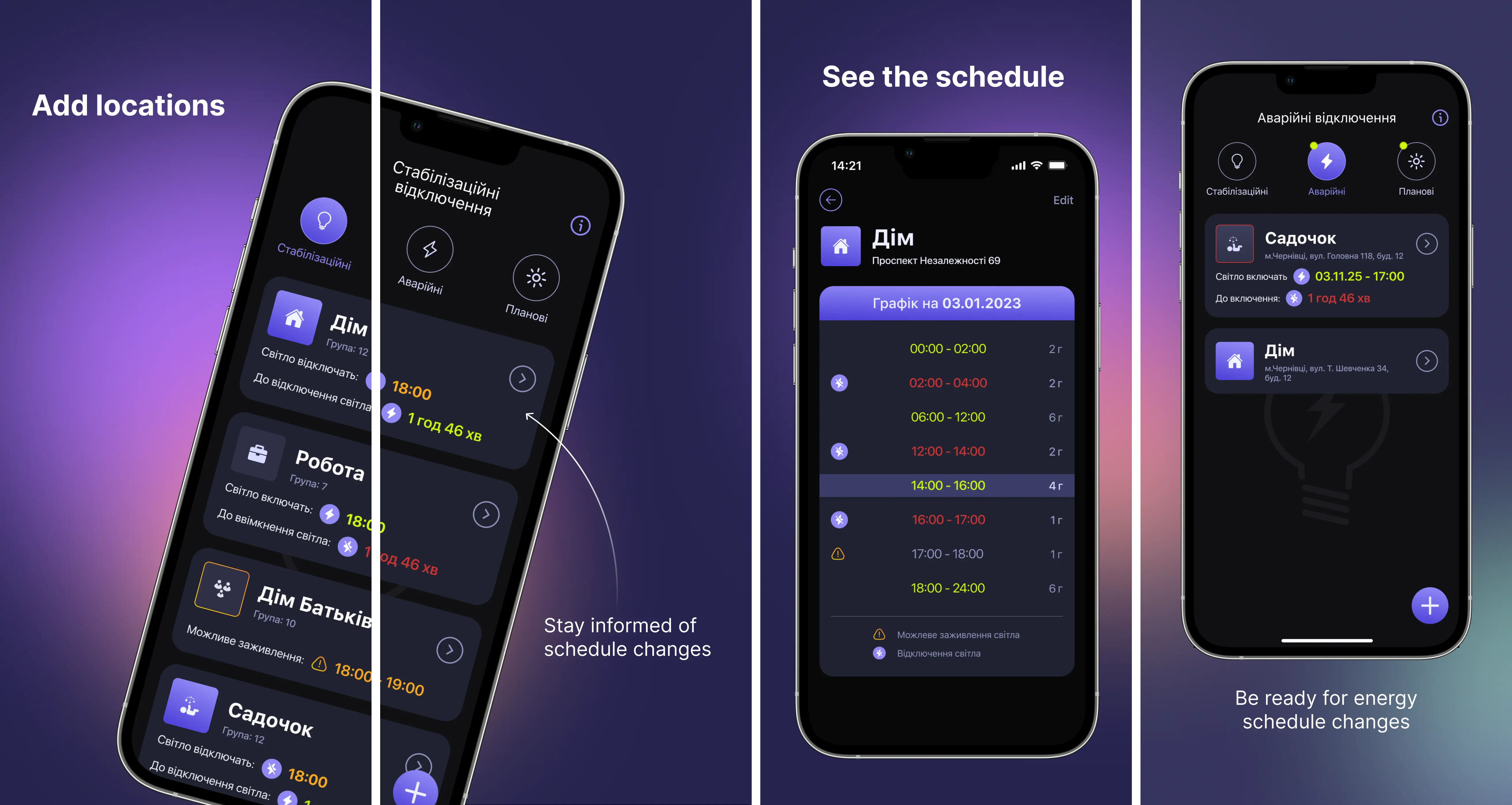
Energy Utility Mobile App — eSvitlo
Discover how the eSvitlo mobile app revolutionized communication in the energy sector and reached over 100,000 active downloads through innovative software development
Read case study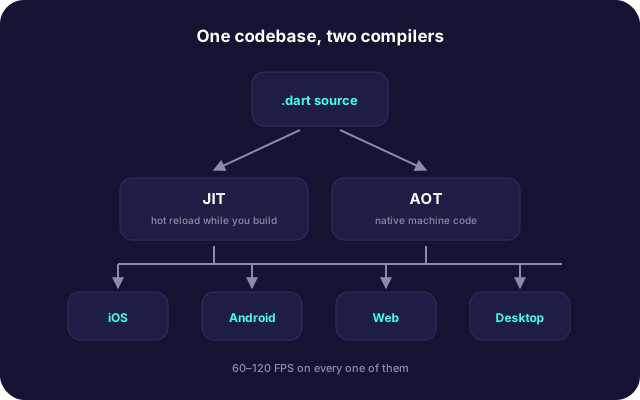
Why We Use Dart
We use this technology to build cross-platform mobile applications that deliver native-quality experiences on both iOS and Android. Our engineering team chooses the Dart lang because the toolchain removes common development friction without compromising execution performance.
The Versatile Dart Compiler
The Dart compiler supports two distinct operational modes. During local development, JIT compilation powers stateful hot reloads for instant feedback. For deployment, AOT compilation produces compact, self-contained native machine code.
Rapid Testing in Sandboxes
Before adding logic into a shared repository, we test algorithms using DartPad. Running Dart online allows us to test isolated code paths, experiment with UI widgets, and share runnable snippets right in the browser.
A Structured Package Ecosystem
We source audited libraries directly from pub.dev, Google's package registry for Dart and Flutter packages. Managing dependencies through pub.dev keeps external modules verified, maintained, and type-safe.
- 5
- targets from one codebase
- 60–120
- FPS rendering on device
- 2
- compilers: JIT and AOT
- 5
- stages in our delivery workflow
What We Build With Dart (Dart Use Cases)
Dart handles far more than simple interface layouts. Our mobile engineers at InterCode have shipped consumer and enterprise apps in healthcare, fintech, edtech, and real estate — each requiring rigorous performance optimization and platform-specific best practices. We apply the Dart language across several distinct software targets:
- Cross-Platform Client Apps. Combining Flutter Dart capabilities lets us ship a shared codebase to iOS, Android, macOS, Windows, and Linux. Your custom Dart app maintains smooth 60 to 120 FPS rendering on every device.
- Web Applications. Through Dart web compilers, we compile source logic into compact JavaScript or modern WebAssembly. This delivers fast browser apps without bloated bundle sizes.
- Server Backends and APIs. Running a standalone Dart program on server instances delivers high request throughput with low memory usage. We structure routing, database drivers, and microservices via a dedicated Dart framework like Serverpod or Dart Frog.
- CLI Utilities and Build Tools. We build command-line tools that compile directly to native machine executables. These binaries launch immediately, making them ideal for automated build pipelines and data processing jobs.
Combining Flutter Dart capabilities lets us ship a shared codebase to iOS, Android, macOS, Windows and Linux.
How Do We Work with Dart
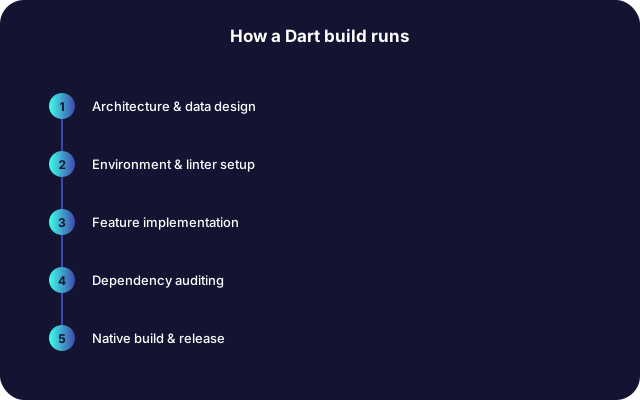
Our approach prioritizes code sharing between platforms while maintaining the performance and platform-specific behaviors that users expect from native apps. Our development workflow prioritizes clean architecture, low technical debt, and fast delivery cycles via Dart Pad.
- 1
Architecture and Data Design
We map data models, API contracts, and state structures before writing a single line of Dart coding language.
- 2
Environment and Linter Setup
We configure the local Dart SDK, set up static analysis rules, and apply strict linter configurations to catch type issues during editing.
- 3
Feature Implementation
Developers write features across modular .dart files, adding unit tests and system suites that run through automated test runners.
- 4
Dependency Auditing
We manage shared libraries and third-party tools via Pub Dev, locking versions to avoid unexpected upstream changes.
- 5
Native Compilation and Deployment
We build production artifacts with AOT compilation for desktop and mobile, or WebAssembly and JavaScript for web platforms, delivering fast execution to end users.
Have a cross-platform app to build?
One team, one codebase, native performance on every target.
Related Technologies





Frequently Asked Questions
Yes. Dart is an open-source, strongly typed programming language created for multi-platform client and backend development.
Dart is an object-oriented, class-based language built with sound null safety. The compiler supports two operational modes: Just-In-Time (JIT) execution for fast local testing and Ahead-Of-Time (AOT) compilation to produce fast native machine code for ARM and x64 processors.
If you ask an engineer to define Dart, the technical definition Dart teams rely on is simple: it is an object-oriented, class-based language with sound null safety. Dart programming refers to writing software logic, UI widgets, or backend services using the Dart syntax and official SDK. Developers write code in .dart files, organize libraries with packages, and compile them to standalone binaries or web assets.
Google engineers Lars Bak and Kasper Lund invented Dart. Google introduced the language in October 2011 at the GOTO conference in Aarhus, Denmark, aiming to provide a structured alternative for web and client systems.
Dart powers the Flutter framework to construct cross-platform mobile, desktop, and embedded interfaces. Beyond client apps, developers use Dart to compile web frontends to JavaScript or WebAssembly, build high-throughput backend APIs, and run standalone command-line scripts.
Yes. Dart eliminates runtime null reference bugs through strict type checking, compiles directly to native binaries without heavy runtime overhead, and speeds up feature updates via instant stateful hot reloads.
No. Dart is actively maintained and receives regular major releases from Google. Demand remains high worldwide due to widespread enterprise adoption of Flutter for multi-platform products.
Dart feels familiar to anyone with background knowledge in JavaScript, TypeScript, Java, or C#. The syntax follows clean, predictable C-style conventions, making it straightforward to pick up in a few days.
Ready to Build with Dart?
Ship high-quality Dart apps faster with InterCode's dedicated mobile engineering team.
Contact Us