Progressive Web Apps With Native Feel
Deliver app-like experiences through the browser. InterCode builds progressive web apps that work offline, send push notifications, and install on home screens without app store friction.
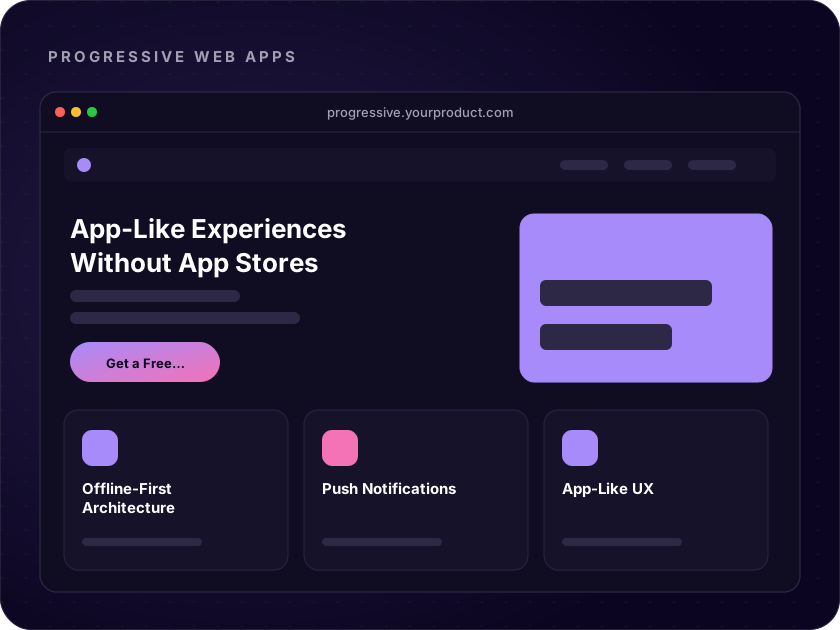
App-Like Experiences Without App Stores
Progressive web apps bridge the gap between websites and native apps. InterCode builds PWAs that load instantly, work offline, and feel like native applications while being accessible through a simple URL. No app store approval process, no separate codebase to maintain, and no forced update cycles.
Our PWA development leverages modern browser capabilities including service workers for offline caching, Web Push API for re-engagement notifications, and Web App Manifest for installable home screen experiences. We combine these technologies with React and Next.js to create fast, reliable applications that work on any device.
PWAs are ideal for content platforms, field service applications, internal tools, and any scenario where you want mobile app engagement without the cost and complexity of native development. InterCode designs PWAs that pass Lighthouse audits with flying colors and deliver measurably better user engagement than traditional websites.
Related Case Studies
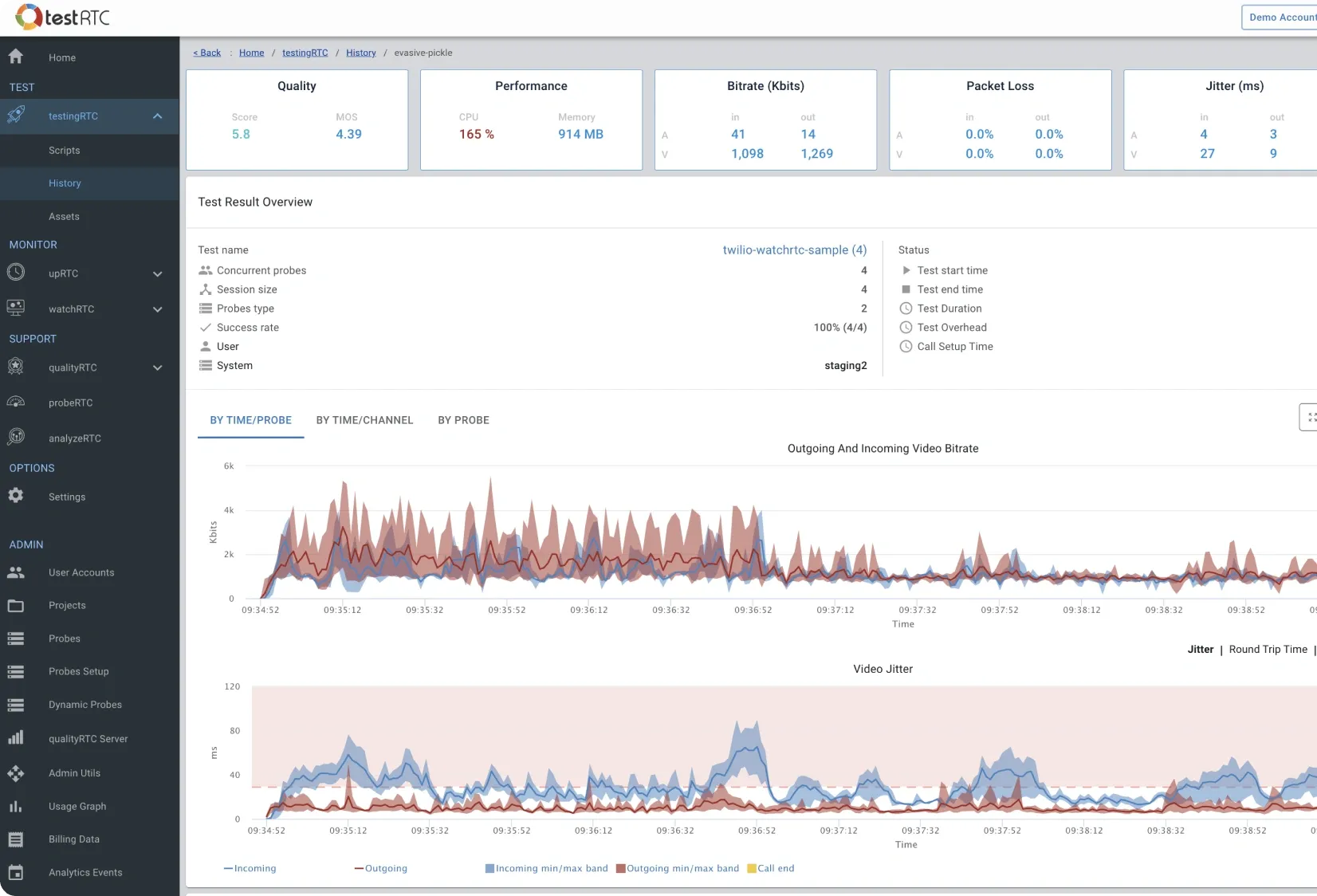
WebRTC Testing & Monitoring SaaS — TestRTC
SaaS Platform that offers tools in order to assist clients in improving their services. The product solves all the hard problems in making testing and monitoring WebRTC products a breeze.
Read case study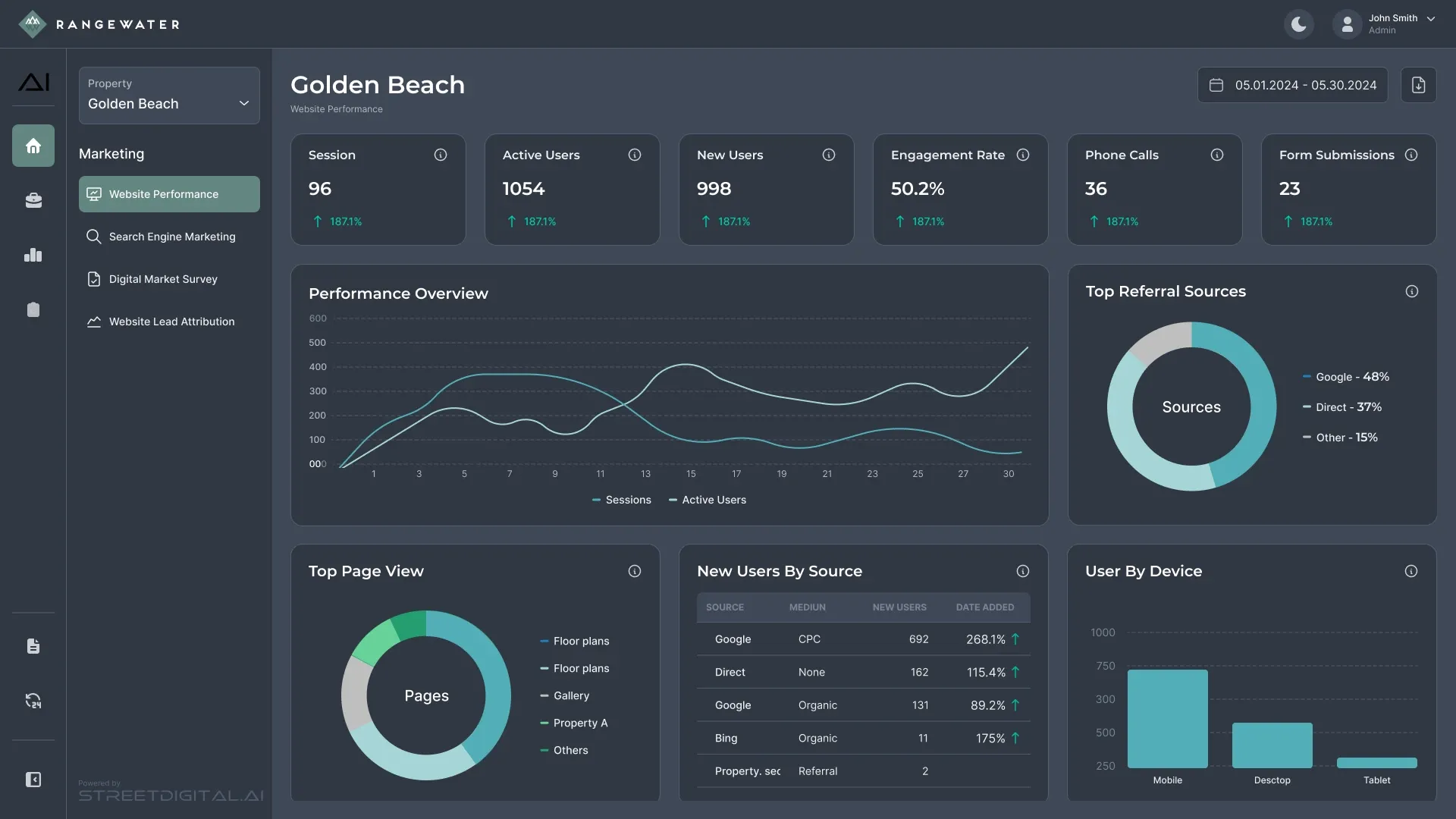
AI-Powered BI Software and Marketing Automation for Street Digital AI client
A luxury apartment marketing agency was losing money and clients to a rigid no-code BI tool. InterCode replaced it with a cloud-native data and analytics platform on Google Cloud Platform — cutting costs by 75%, loading dashboards in under 3 seconds, and onboarding new clients 4x faster. The platform has since evolved into an AI-driven marketing operations system built with Anthropic's Claude. This case study breaks down the challenge, the solution, and the results.
Read case study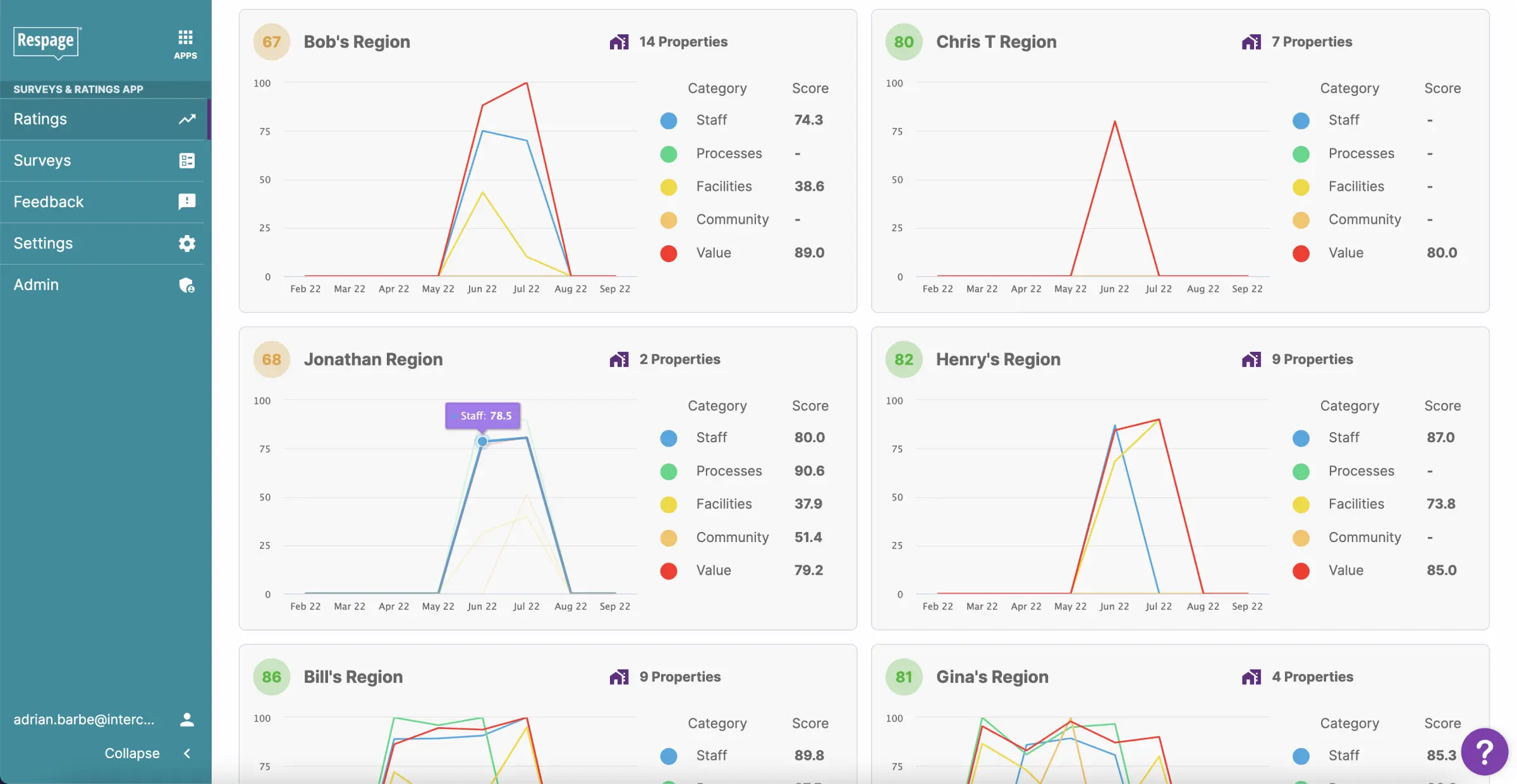
AI Apartment Marketing SaaS — Respage
Real estate Saas platform with events calendar, reports, chatbot, 3rd party API integrations, email and push notifications. Implemented in NodeJs, ExpressJs, MongoDb, Angular. Wide use of micro front-ends. Multifamily industry.
Read case studyWhat We Deliver
Full PWA development from service workers to push notification infrastructure.
Offline-First Architecture
Applications that work without internet, syncing data automatically when connectivity returns.
- Service worker caching strategies
- Background sync for data updates
Push Notifications
Re-engage users with timely, relevant push notifications that drive return visits and conversions.
- Web Push API implementation
- Segmented notification campaigns
App-Like UX
Smooth animations, gesture support, and navigation patterns that feel like a native mobile app.
- Home screen installation
- Splash screen and app shell
Automatic Updates
Deploy updates instantly without app store review cycles or user action required.
- Service worker update strategies
- Background content refresh
Cross-Platform Single Codebase
One codebase that works on iOS, Android, desktop, and web, reducing development and maintenance costs.
- Responsive and adaptive design
- Progressive enhancement approach
Our PWA Development Process
PWA Strategy & Planning
We identify which PWA capabilities deliver the most value for your use case and audience.
- Offline scenarios mapping
- Push notification strategy
App Shell Architecture
Build the fast-loading app shell that provides instant navigation and a native-like feel.
- Critical CSS inlining
- Route-based code splitting
Service Worker Implementation
Implement caching strategies, offline fallbacks, and background sync for reliable offline experiences.
- Workbox configuration
- Cache versioning and cleanup
Push & Installation
Set up push notification infrastructure and Web App Manifest for installable experiences.
- Push subscription management
- Install prompt optimization
Testing & Lighthouse Audit
Comprehensive testing across devices and network conditions with Lighthouse PWA audit pass.
- Offline and slow network testing
- PWA installability verification
PWA Strategy & Planning
We identify which PWA capabilities deliver the most value for your use case and audience.
- Offline scenarios mapping
- Push notification strategy
App Shell Architecture
Build the fast-loading app shell that provides instant navigation and a native-like feel.
- Critical CSS inlining
- Route-based code splitting
Service Worker Implementation
Implement caching strategies, offline fallbacks, and background sync for reliable offline experiences.
- Workbox configuration
- Cache versioning and cleanup
Push & Installation
Set up push notification infrastructure and Web App Manifest for installable experiences.
- Push subscription management
- Install prompt optimization
Testing & Lighthouse Audit
Comprehensive testing across devices and network conditions with Lighthouse PWA audit pass.
- Offline and slow network testing
- PWA installability verification
Technologies We Use
Modern web platform APIs and frameworks for production-grade PWAs.





We build on standard web platform APIs (Service Workers, Web Push, Cache API) with Workbox for reliable caching patterns and React for component-driven UIs that feel native on every device.
Why InterCode for Progressive Web Apps
Instant Loading
Service worker caching and app shell architecture deliver sub-second load times even on slow networks.
True Offline Support
Not just cached pages but fully functional offline experiences with data sync and conflict resolution.
Native-Like Quality
Smooth animations, gesture support, and platform-aware UI that users cannot distinguish from native apps.
Cost-Effective
One codebase for all platforms means faster development, easier maintenance, and lower total cost of ownership.
From Our Blog
Insights and practical guides from our engineering team
Custom Code vs No-Code vs AІ
Of course, we don’t know what is best for you in your specific case. But we know for sure that the best solution for us is Custom сode.
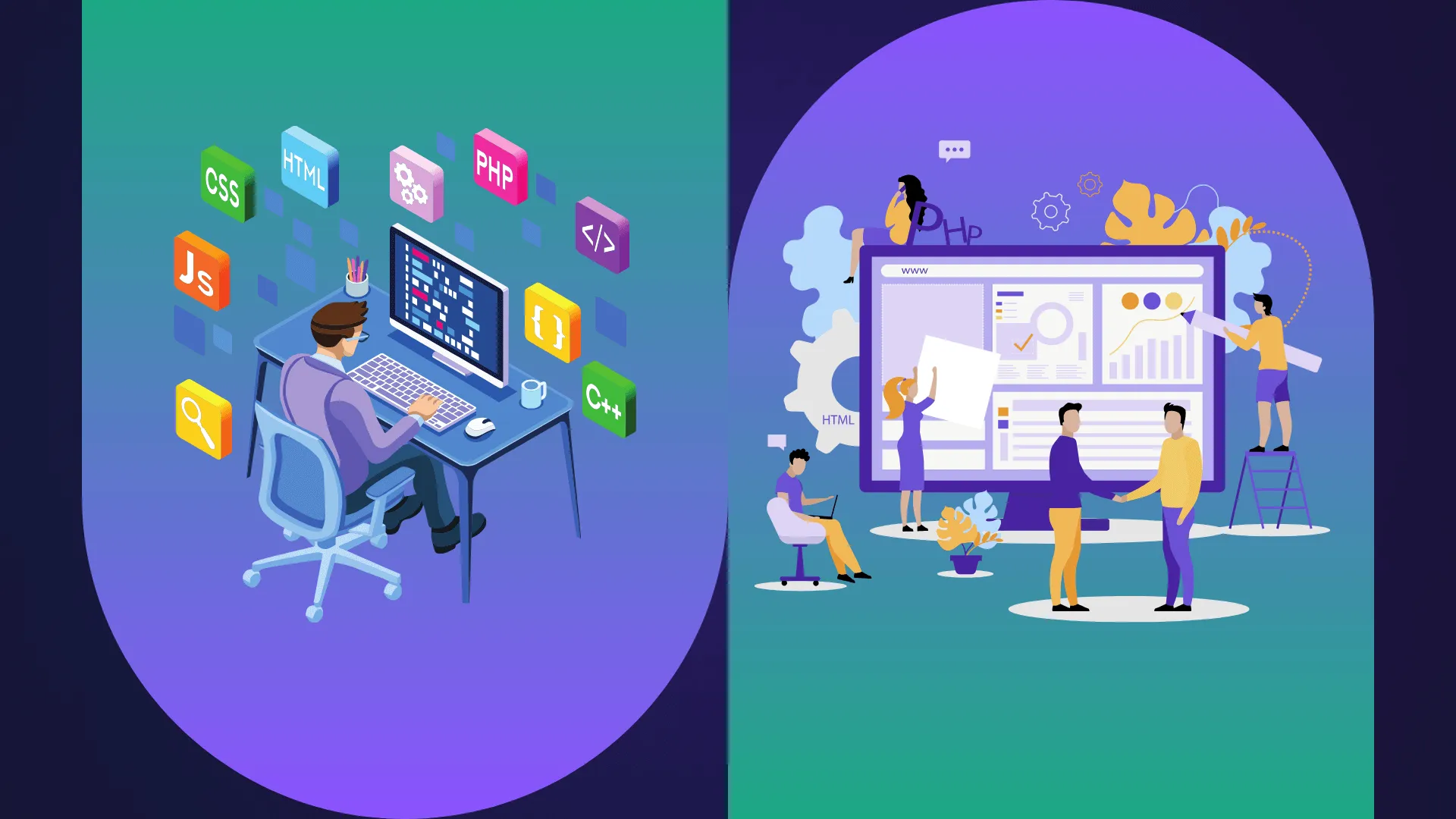
To hire a freelancer OR a company. What to choose?
Whether you're looking for a freelancer or a company to help with your projects, knowing the difference is key.
PWA + AMP: The Future of Fast, Engaging, and Reliable Web Applications
Learn how combining Progressive Web Apps (PWA) and Accelerated Mobile Pages (AMP) can supercharge your mobile website's speed, engagement, and user experience.
Frequently Asked Questions
PWAs run in the browser and are built with web technologies, while native apps are built with platform-specific languages and distributed through app stores. PWAs can now do most things native apps can, including offline access, push notifications, and home screen installation, but at lower development cost.
Yes. iOS supports PWA installation, offline caching, and most PWA features. Push notifications on iOS require iOS 16.4 or later. We design our PWAs to provide the best possible experience on both iOS and Android while gracefully handling platform differences.
For many use cases, yes. PWAs are ideal when you need broad reach, fast updates, and lower development costs. Native apps still have advantages for hardware-intensive features, background processing, and app store discovery. We evaluate your requirements and recommend the right approach.
Service workers intercept network requests and serve cached responses when offline. We implement smart caching strategies that pre-cache critical assets and dynamically cache frequently accessed content. For data-heavy apps, we use IndexedDB for local storage with background sync.
Yes. PWAs are regular web pages that search engines can crawl and index. Combined with fast load times and good Core Web Vitals scores, PWAs often rank better than slow traditional websites. Unlike native apps, all your content remains accessible to search engines.
Ready to Build a Progressive Web App?
Tell us about your use case and we will design a PWA that delivers native-like experiences at a fraction of the cost.
Contact Us