Custom ERP Systems That Unify Your Business
Stop paying for bloated ERP suites you barely use. InterCode builds modular ERP systems tailored to your exact business processes, connecting inventory, finance, HR, and operations into a single source of truth.
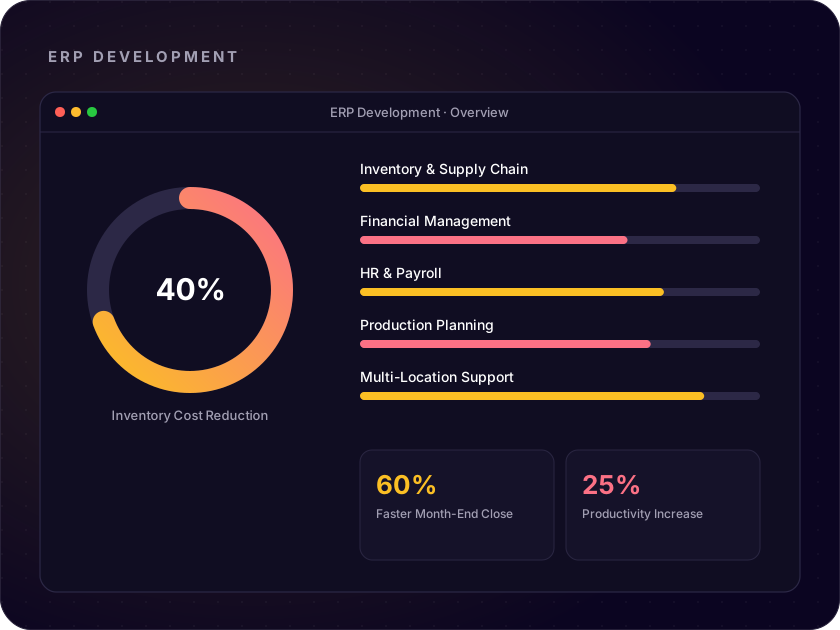
An ERP That Works the Way You Do
Off-the-shelf ERP systems try to be everything to everyone, resulting in bloated interfaces, expensive customization, and painful implementations that drag on for years. InterCode takes a different approach: we build modular ERP systems from the ground up, starting with the modules that matter most to your operations.
Our ERP solutions connect finance, inventory, supply chain, HR, and production into a unified platform with real-time data flow between departments. Every module is designed around your actual workflows, not generic templates, ensuring high adoption and immediate productivity gains.
Whether you need a complete ERP replacement or specific modules to fill gaps in your current system, InterCode delivers software that simplifies complexity instead of adding to it. Multi-location support, multi-currency handling, and regulatory compliance are built in from the foundation.
Related Case Studies
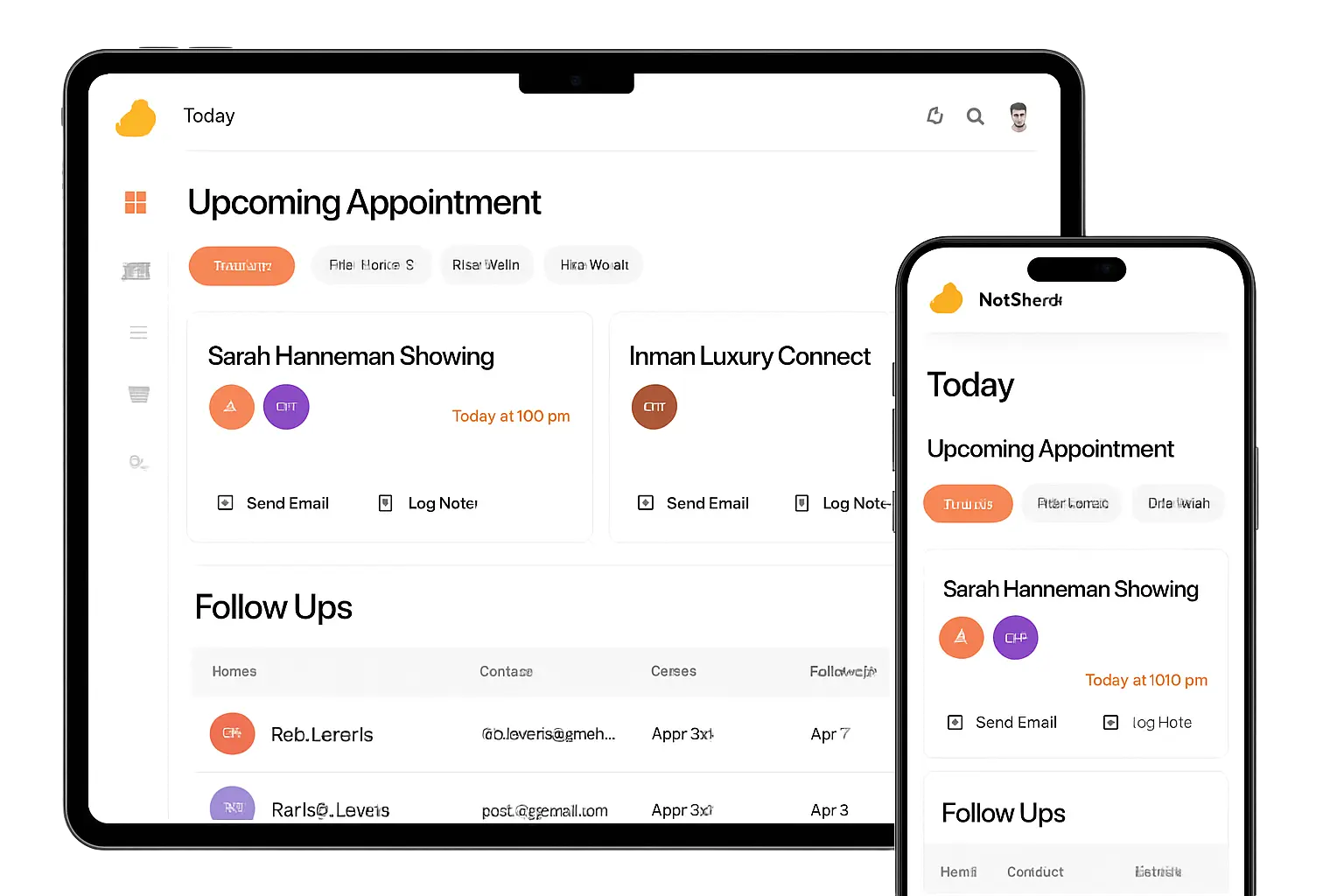
AI Real Estate CRM Platform — MyHotSheet
An AI-native Real Estate CRM built for agents. My Hotsheet helps you manage contacts, track deals, and automate follow-ups, so you can close more transactions and grow your business
Read case study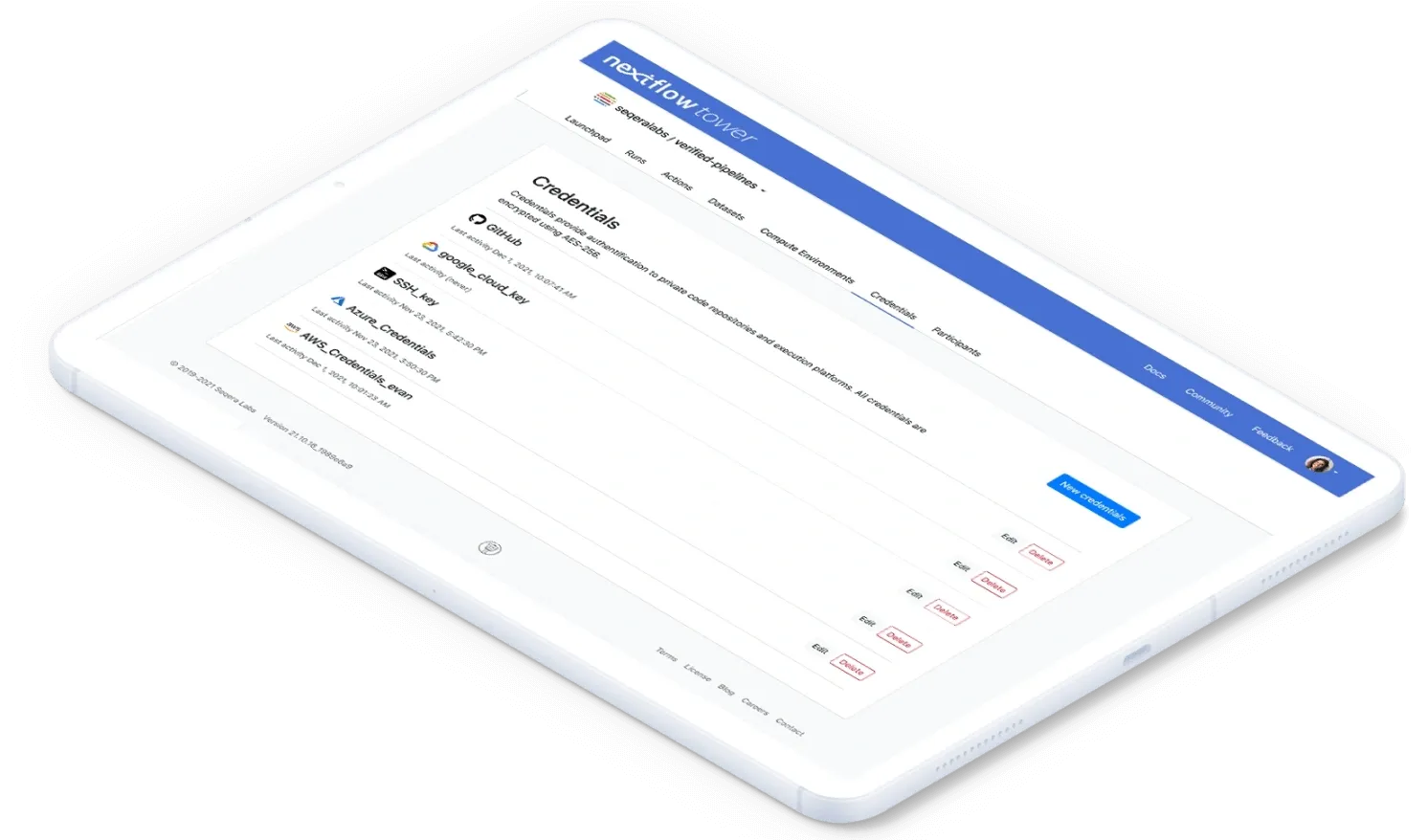
Bioinformatics Workflow Platform — Nextflow Tower
Case Study: Building the Nextflow Tower SaaS platform—workflow orchestration software for collaborative data pipelines, monitoring, and cloud infrastructure.
Read case studyWhat We Deliver
Modular ERP development covering every critical business function.
Inventory & Supply Chain
Real-time inventory tracking, purchase order management, and supplier coordination across locations.
- Barcode and RFID integration
- Automated reorder points
Financial Management
General ledger, accounts payable/receivable, budgeting, and multi-currency financial reporting.
- Automated reconciliation
- Tax compliance automation
HR & Payroll
Employee management, time tracking, payroll processing, and benefits administration.
- Self-service employee portal
- Leave management and approvals
Production Planning
Manufacturing resource planning, work order management, and quality control workflows.
- Bill of materials management
- Production scheduling
Multi-Location Support
Manage operations across multiple warehouses, offices, and countries from a single dashboard.
- Location-specific configurations
- Consolidated cross-location reporting
ERP Development Process
Business Process Analysis
We map every department's workflows, pain points, and data flows to define the ERP scope.
- Department-by-department interviews
- Current system audit
Module Prioritization
We identify which modules deliver the highest ROI and build those first.
- Impact vs. effort matrix
- Phased delivery roadmap
Core Module Development
The highest-priority modules are built and deployed in iterative sprints.
- Two-week sprint cycles
- Continuous stakeholder demos
Integration & Data Migration
Existing systems are connected and historical data is migrated with full validation.
- Legacy system adapters
- Data integrity verification
Training & Phased Rollout
Departments are onboarded sequentially with role-specific training.
- Super-user training program
- Parallel run with old system
Ongoing Enhancement
Additional modules and features are added based on usage data and evolving needs.
- Monthly feature releases
- Usage analytics dashboard
Business Process Analysis
We map every department's workflows, pain points, and data flows to define the ERP scope.
- Department-by-department interviews
- Current system audit
Module Prioritization
We identify which modules deliver the highest ROI and build those first.
- Impact vs. effort matrix
- Phased delivery roadmap
Core Module Development
The highest-priority modules are built and deployed in iterative sprints.
- Two-week sprint cycles
- Continuous stakeholder demos
Integration & Data Migration
Existing systems are connected and historical data is migrated with full validation.
- Legacy system adapters
- Data integrity verification
Training & Phased Rollout
Departments are onboarded sequentially with role-specific training.
- Super-user training program
- Parallel run with old system
Ongoing Enhancement
Additional modules and features are added based on usage data and evolving needs.
- Monthly feature releases
- Usage analytics dashboard
ERP Technology Stack
Robust technologies built for data integrity and high-volume transaction processing.







Our ERP stack is chosen for transactional reliability, horizontal scalability, and seamless message-driven communication between modules, ensuring data consistency across your entire organization.
Why InterCode for ERP Development
Modular Architecture
Start with the modules you need now and add more over time. No need to buy an entire suite on day one.
Process-Driven Design
Every module mirrors your actual workflows. We never force you to adapt your business to rigid software templates.
Data Migration Expertise
We safely migrate decades of historical data from legacy systems with validation, cleaning, and zero data loss.
Enterprise-Grade Security
Role-based access, encrypted data, audit trails, and compliance with industry-specific regulations.
From Our Blog
Insights and practical guides from our engineering team
Custom Code vs No-Code vs AІ
Of course, we don’t know what is best for you in your specific case. But we know for sure that the best solution for us is Custom сode.
To hire a freelancer OR a company. What to choose?
Whether you're looking for a freelancer or a company to help with your projects, knowing the difference is key.
PWA + AMP: The Future of Fast, Engaging, and Reliable Web Applications
Learn how combining Progressive Web Apps (PWA) and Accelerated Mobile Pages (AMP) can supercharge your mobile website's speed, engagement, and user experience.
Frequently Asked Questions
A core ERP with 2-3 primary modules typically takes 4-6 months. A comprehensive multi-module system spanning finance, inventory, HR, and production usually takes 8-14 months. We deliver working modules incrementally so your team starts benefiting early.
Yes. We build API adapters to connect with QuickBooks, SAP, Oracle, NetSuite, and virtually any system with an API or database. For legacy systems without APIs, we create custom integration layers to ensure seamless data flow.
We follow a structured migration process: data audit, field mapping, cleaning and deduplication, test migration, validation, and final cutover. We always run parallel systems during the transition period so you can verify accuracy before decommissioning the old system.
Our modular architecture is designed for change. Workflows, fields, rules, and reports can be modified without rewriting core code. Many configuration changes can be made through admin interfaces without developer involvement.
For mid-market companies, a custom ERP often costs 40-60% less over five years compared to enterprise ERP suites when you factor in licensing, customization, and consultant fees. We provide a total cost of ownership analysis during the discovery phase to help you compare.
Ready to Streamline Your Business Operations?
Tell us about your operational challenges and we will design an ERP that connects every department.
Contact Us