Case Study
In an era of digital clarity and real-time communication, a reliable link between utilities and customers is vital. This case study explores the development and launch of eSvitlo. It's a premier mobile app designed for the modern energy sector.
InterCode built this high-performance ecosystem to help users manage their energy needs more effectively. They worked in a strategic partnership with JSC "Chernivtsi oblenergo" to modernize the energy grid.
By using a modern tech stack with NestJS and Flutter, the project moved many users to a better platform. The results show a shift from slow web platforms to a smooth experience.
This transition led to over 200,000 active downloads and a steady 4.6+ star rating. It set a new standard for how active users interact with utility companies in the region.
 
COLLABORATION PERIOD: 2023 — now
INDUSTRY: energy utilities
Energy Utility Communication App

Stats

200'000+downloads
84%manual operations automated by 84%
15kmax daily users

The business challenge

The project began during major changes in the energy field. These changes put strong pressure on existing channels and created a significant business challenge.
The technical team found several hurdles that stopped them from giving good service. One major issue was limited server capacity during peak times.

The official website saw traffic surges nearly 100 times above the daily average. This led to critical downtime exactly when users needed information the most.
Furthermore, the problem of data fragmentation made it hard for people to find updates. Most schedules were shown as tables. It was difficult to read.

The documents were not optimized for different operating systems. On smaller screens, the text often looked garbled or unreadable for the average person.
A major notification gap made the situation even worse. Users had no automated way to get updates on their supply status changes.
This forced customers to refresh their browsers manually many times a day. This was often impossible during a poor signal or when the grid was unstable.

Collectively, these issues placed heavy strain on the company’s support staff. Call centers were flooded with repeat inquiries that slowed down operations.
Many of these questions could have been handled through an automated digital interface. This was the primary business value the team wanted to unlock.
The business challenge
first image Energy utility mobile app eSvitlo — Location, black.webp

Client overview

The primary stakeholder in this initiative is JSC "Chernivtsi oblenergo". They are the leading Distribution System Operator (DSO) responsible for delivering electric power across the region.
The company runs a large network of thousands of kilometers of power lines. This grid is key to regional stability and provides a wide range of services to the public.

Their network includes hundreds of high-voltage substations. These stations help in the process of generating electric power and sending it to homes safely.
The company has a long history and is a leader in the local energy market. Their mission now centers on reliable service and meeting customer needs through better technology.
Managing the needs of 300,000 customers requires constant grid maintenance. It also requires a strong digital presence, much like the standards seen in the United States.
The leadership saw that high-quality service today needs a mobile-first plan. This plan helps move toward the transparency of the green-energy era.

Project description

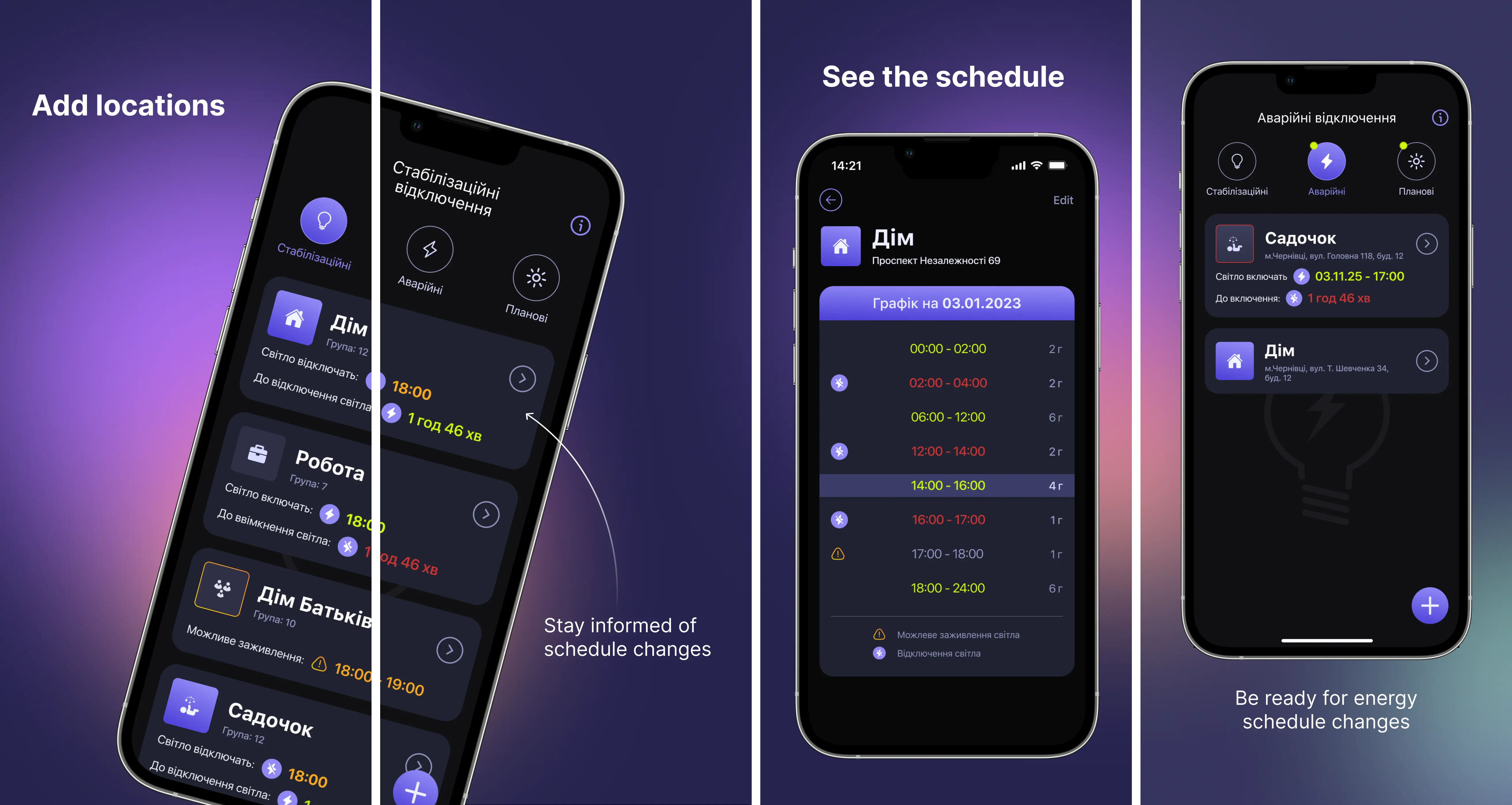
The eSvitlo software application was designed to be more than a simple website on a phone. It was built to be a helpful tool that people use every day.
The main goal was to provide "information at a glance." This allows users to plan their work and home tasks with total confidence.
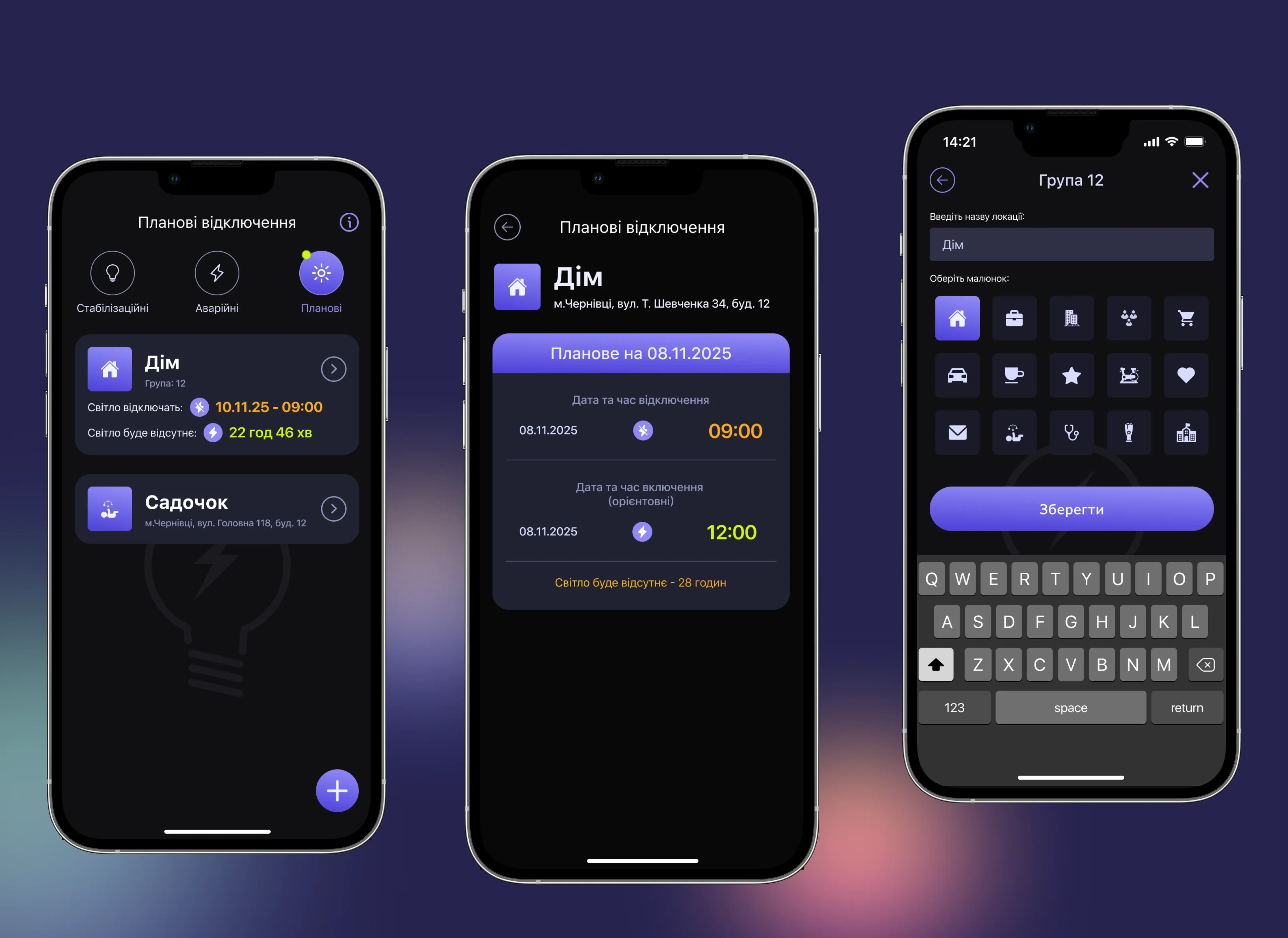
The app is built on several "functional pillars" that make it better than other tools. One of these is the ability to monitor multiple addresses at the same time.
A user can track their own home, their office, and their family's house in one place. This helps everyone stay prepared for any change in power.
The system also uses smart logic to group addresses. This logic helps the app understand user behavior and provide the right data for the right street.
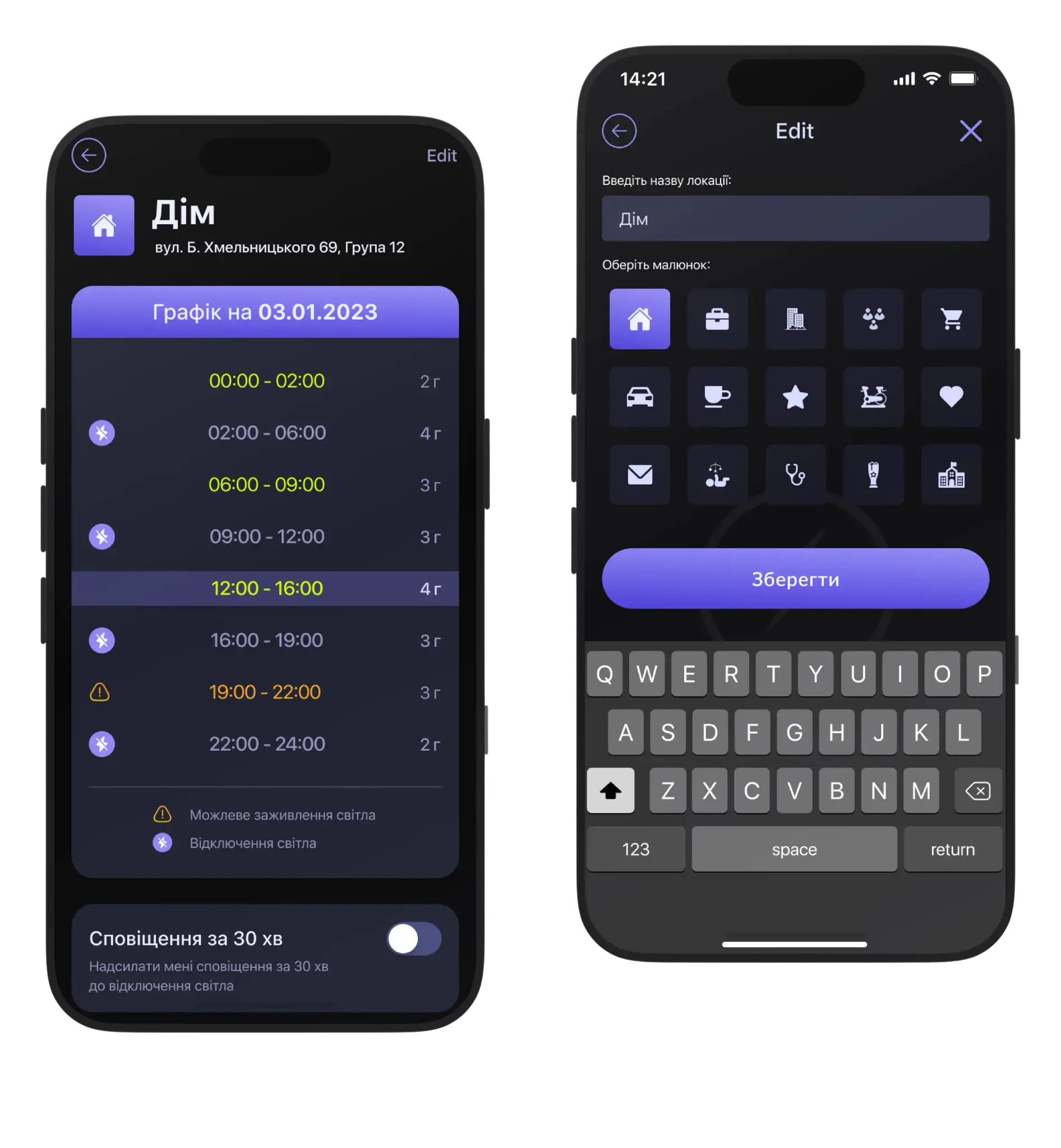
Users interact with these groups through a beautiful, interactive calendar. It is very visual and easy for people of all ages to understand.
Instead of reading long lists of text, users see a color-coded timeline. This enhances the user experience by making data easy to digest at a glance.
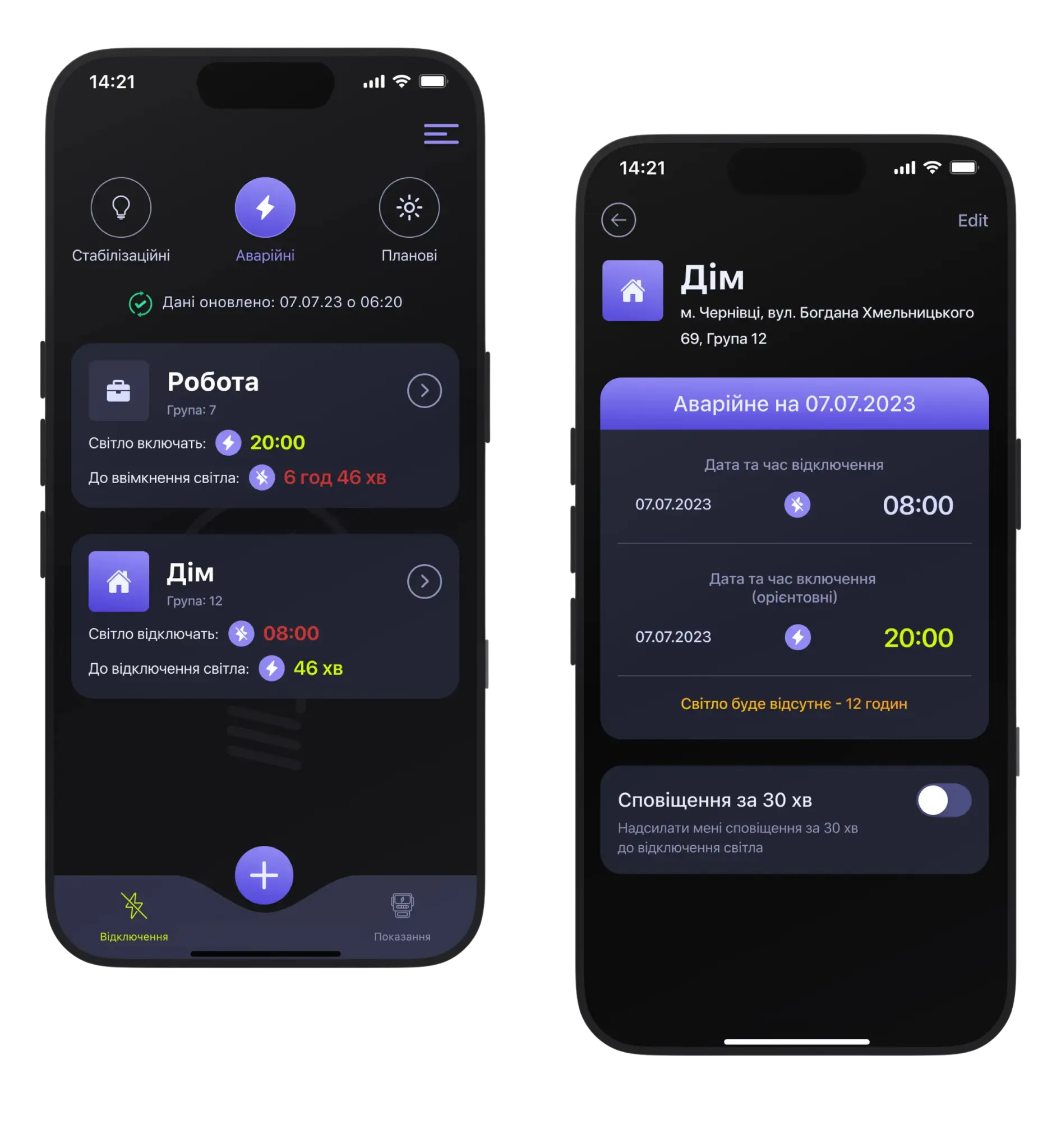
Green means the power is on, while red means a planned outage is coming. This clear user interface removes all confusion for the consumer.
Finally, the app is optimized to work even when the internet is very slow. It uses very small data packets, so it stays fast in the real world, even with a weak signal.
Project description

Value delivered

The launch of eSvitlo has brought great results for the company and the citizens. The app quickly reached over 200,000 active downloads in the region.
This huge shift to a digital tool saved the company a lot of money. The call center saw a major drop in simple questions, which freed up staff for better work.
Beyond the numbers, the project has built a lot of public trust. People feel better when they have clear and honest info about their daily lives.
The app has also helped the local economy stay strong. Small businesses use the app to decide when to open their doors and manage their staff.
This case study shows how a utility company can become a digital leader. By using smart engineering, they solved a difficult business challenge.
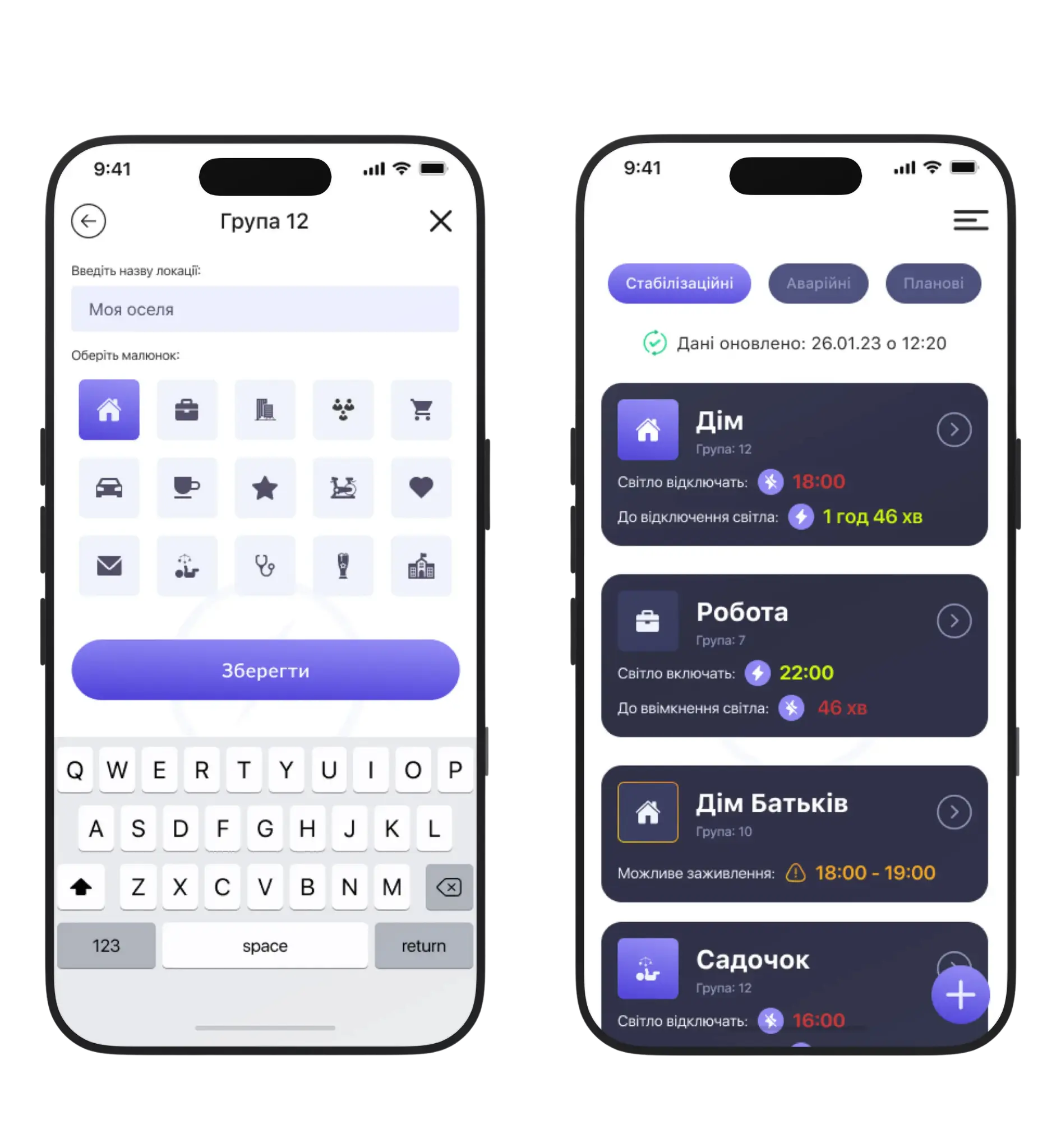
It proves that modern tools can improve the way people live and work. The project is a model for others in the energy sector to follow.
Value delivered
3rd image Energy utility mobile app eSvitlo — Location, white.webp

Backend engine

The technical heart of eSvitlo was built to stay strong under heavy stress. This is where the core software development expertise of the team truly shines. The team used NestJS, which is a modern framework for building server-side apps. It is based on programming languages like TypeScript that ensure code safety.
NestJS is known for being very organized and easy to grow over time. This allowed the development teams to build a system that handles complex data while staying clean. A key part of the backend is the "scraper" built with Axios and Cheerio. These tools allow the app to talk to the company’s older legacy systems.
The backend visits the old website and finds the raw data. It then turns that messy data into a clean format for the mobile app to use.
For storing data, the team chose PostgreSQL and TypeORM. Thus, we can accurately save user profiles and address settings.
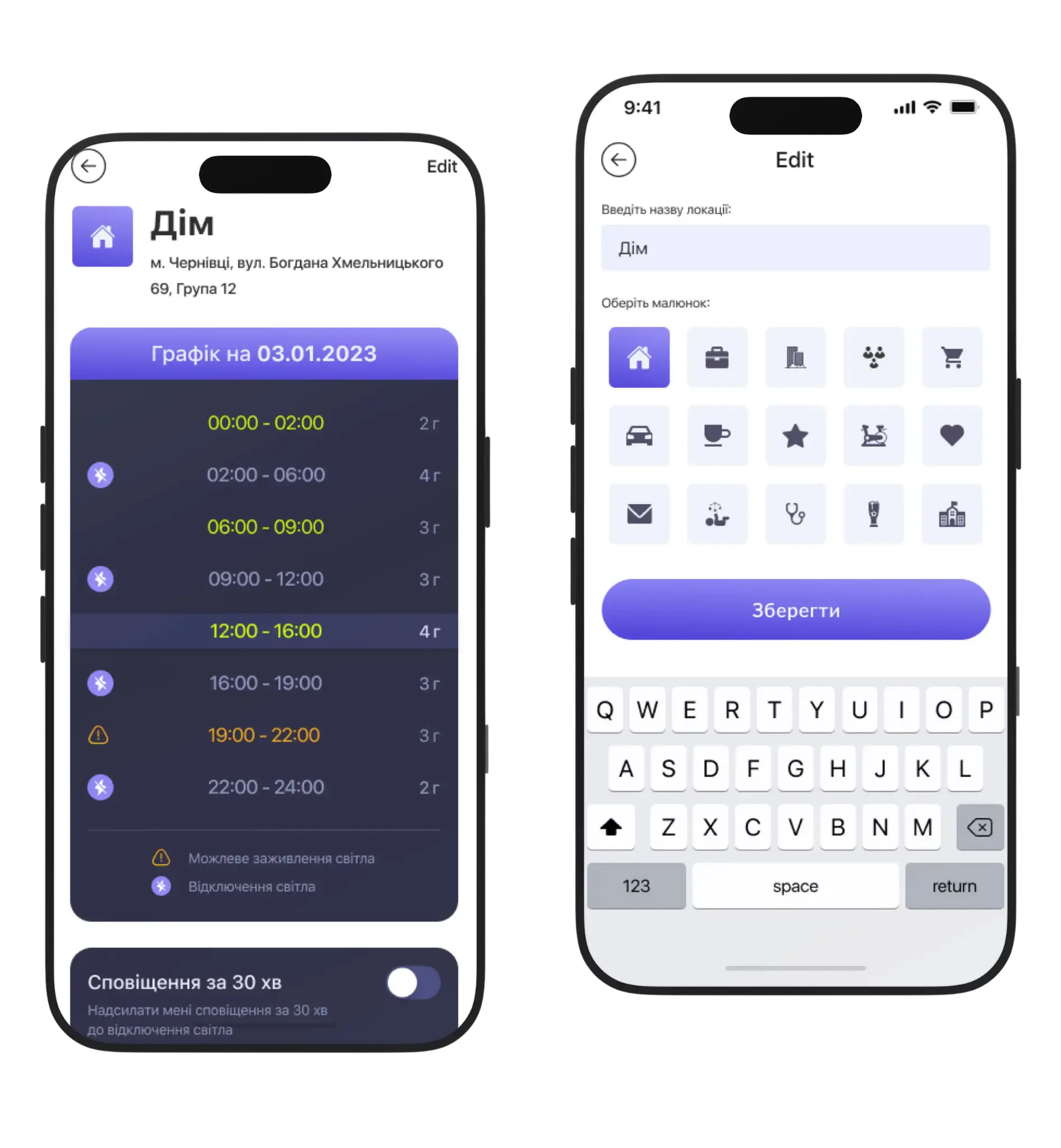
To stop the servers from crashing, the team added Redis. When thousands of users check the same schedule, Redis serves the answer in a split second. This stops the main database from breaking during peak traffic. Security is also a top priority for the backend team. They used a secure token system and the Firebase Admin SDK to protect all user data.
In the future, the team plans to use AI to help predict power usage patterns. This will add even more value to the energy sector as a whole.
4th image Energy utility mobile app eSvitlo — Schedule, white.webp

Frontend user experience

For the mobile app itself, the team used a toolkit from Google called Flutter. This allowed them to make one high-quality app for both iOS and Android. You can find the app on the App Store and the Play Store today. A very important choice for the frontend was using the Bloc pattern for state management.
Using Bloc makes the app very stable on all operating systems. It ensures the screen always shows the right information, even if the internet is jumping in and out.
To keep users updated, the app uses push notifications. These alerts tell users about repairs or schedule changes instantly.
Users don’t even have to open the app to know what is happening. This is a great example of how web applications and mobile tools work together.
The app also allows users to toggle the table of contents in the help section. This makes it easy to find answers to common questions about the grid.
Personal data is kept very safe using Flutter Secure Storage. This tool encrypts your favorite addresses directly on your own device.
The team has also added new features like home screen widgets. There is even support for the Apple Watch, so you can check your status on your wrist.
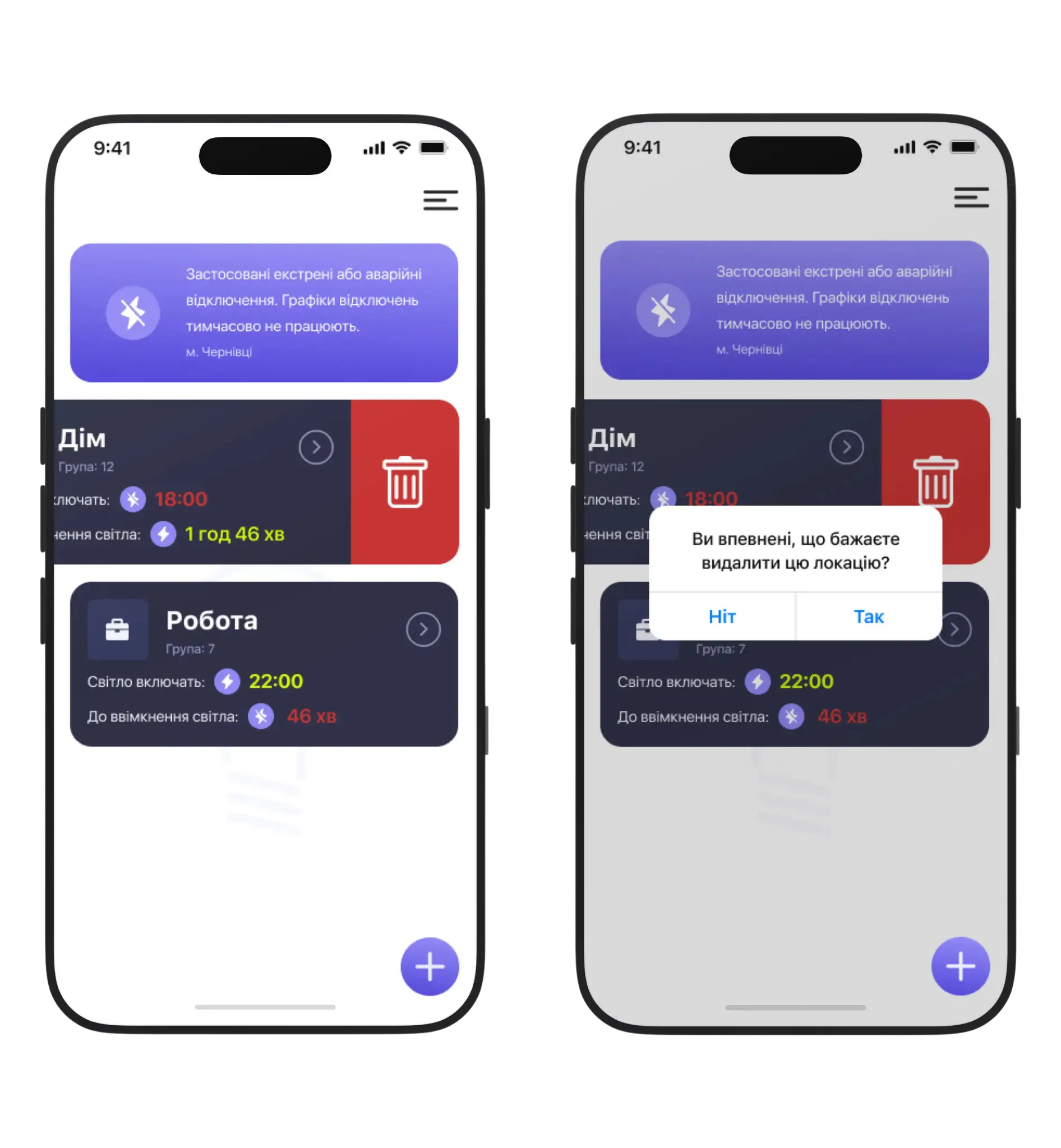
last image Energy utility mobile app eSvitlo — Location and Schedule, white.webp

Implementation and code quality

The lifecycle of the project was managed using a modern project management style. The team used a "DevOps" pipeline to ensure the app never breaks. They used Docker to put the app in a virtual container. This means the app runs the same way on a developer's computer as it does on the real server.
This lowers the chance of bugs appearing when new updates are released. The team used Yarn to manage all the different pieces of code the app needs.
The team also used automated tests to check for errors. This allowed them to fix problems very quickly based on user feedback.
This disciplined approach is what allows the app to handle so many active users. It ensures a high standard of software development throughout the project.

Technology Stack

Built on industry-leading, battle-tested technologies chosen for developer experience, performance, and long-term maintainability.
FlutterFlutter
NestJSNestJS
TypeORMTypeORM
DockerDocker
YarnYarn
Firebase Core and MessagingFirebase Core and Messaging

Results

The eSvitlo project is a perfect example of how technology can help the public . It shows that NestJS and Flutter are the right tools for such large apps. The partnership between InterCode and the energy utility company created a strong tool. It has changed how people in the region interact with their provider. In the future, the app will continue to grow and get even better. The team plans to add features like automatic meter reading to help even more. They also want to bring the eSvitlo model to other regions. This will help spread the benefits of green energy and digital transparency. In the end, this project proves that smart technology is the best way to handle modern challenges. It turns complex data into a simple and helpful tool for everyone.
Start Your Project

Ready to Implement?

Let's discuss how our comprehensive solutions can address your specific challenges and drive success for your business. Get in touch with our team by filling out the form.

Related Articles

Flutter: The choice of technology that is becoming the standard among the big players.

Discover why leading companies are adopting Flutter to build fast, flexible apps. Explore what makes it the go-to tech for cross-platform development.

Read article →

Flutter 2026 Technical Review: UI Thread Merge, GenUI, and the Death of Native vs. Cross-Platform

Explore why Flutter dominates cross-platform mobile development in 2026. Discover key updates like the UI Thread merge, native Swift support on Android

Read article →

Custom Code vs No-Code vs AІ

Of course, we don’t know what is best for you in your specific case. But we know for sure that the best solution for us is Custom сode.

Read article →