YOLO Development Services
InterCode provides YOLO development services for projects of varied complexity. Our AI engineers combine deep ML expertise with software engineering discipline to ship maintainable AI systems.
What is YOLO?
YOLO stands for "You Only Look Once." It is a computer vision method that detects, classifies, and marks items in images or video frames in a single pass. Unlike two-stage detectors like Faster R-CNN, YOLO skips separate region proposal steps and processes full images directly. That single-pass architecture makes real-time object detection fast enough for live camera feeds, factory automation, and robotic navigation. Over the years, the framework shifted from early C implementations like YOLOv3 to modern Python distributions on GitHub YOLO repositories. Today, Ultralytics maintains the primary open-source standard. Whether you plan to deploy a compact YOLO v8s checkpoint on a Raspberry Pi or run a heavier YOLOv11m backbone on cloud GPUs, our team builds custom vision pipelines ready for production.

Which YOLO model is best for object detection?
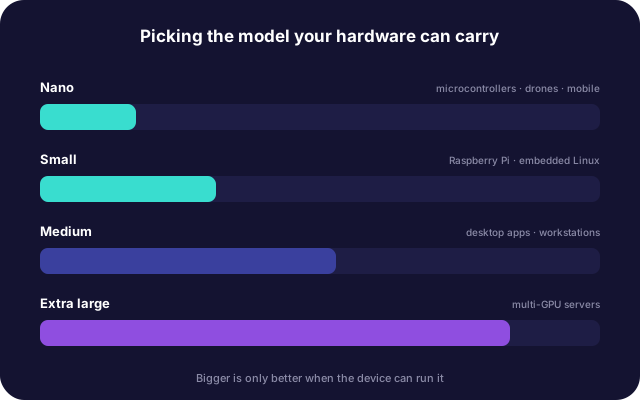
Hardware determines the best model size:
- YOLOv8n / YOLOv11n (Nano). Best for microcontrollers, drones, mobile devices, and low-power hardware.
- YOLOv8s / YOLOv11s (Small). Great for Raspberry Pi 5 or embedded Linux systems.
- YOLOv8m / YOLOv11m (Medium). Balanced pick for local desktop apps and workstations.
- YOLOv8x / YOLOv11x (Extra Large). Built for multi-GPU servers where raw precision matters more than millisecond latency.
Related Case Studies
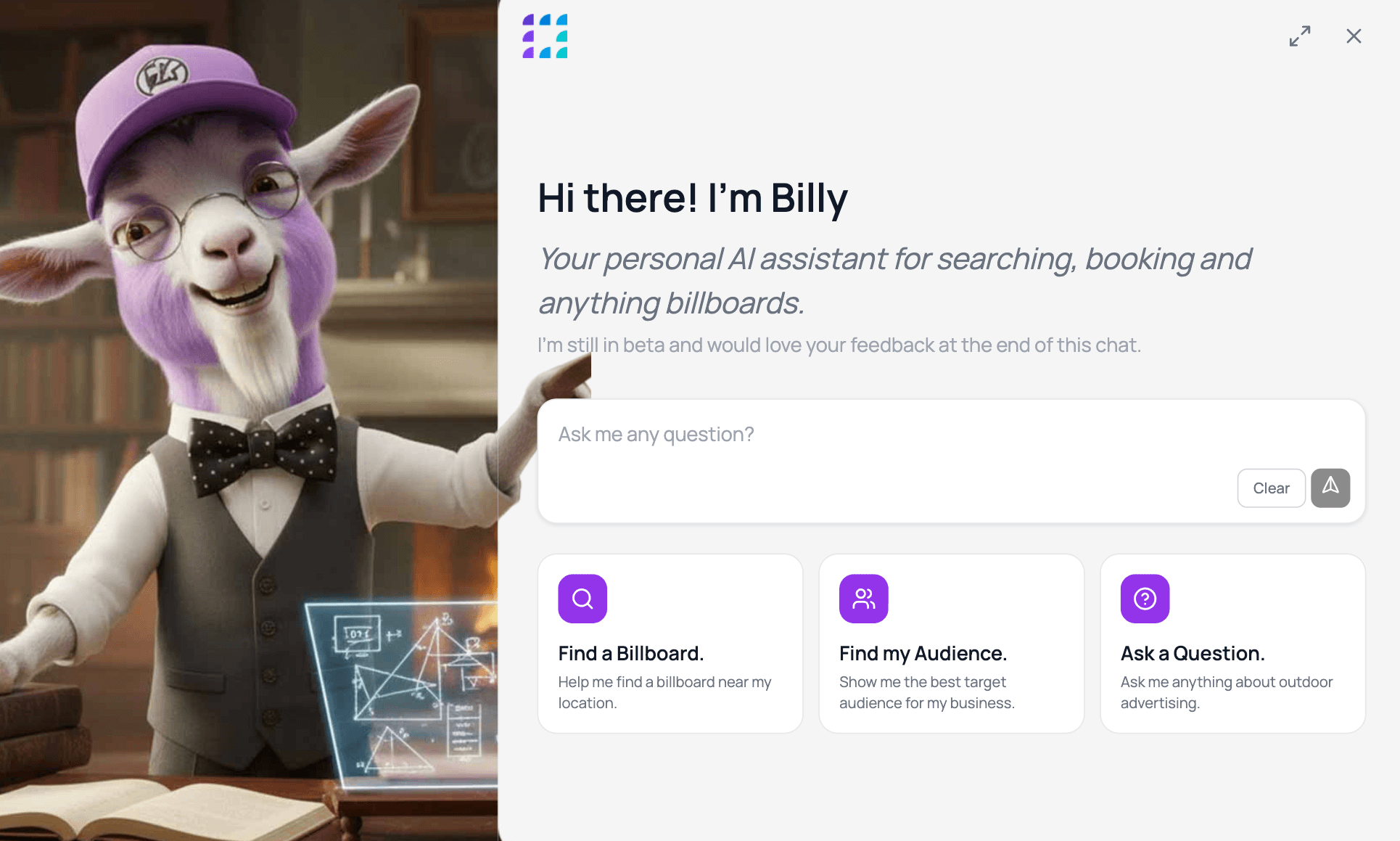
AI Multi-Agent Chatbot for USA Outdoor Advertising
AI Booking Multi-Agent Chatbot for USA Outdoor Advertising Billboards America is a major player in the Out-of-Home (OOH) billboards advertising market in t
Read case study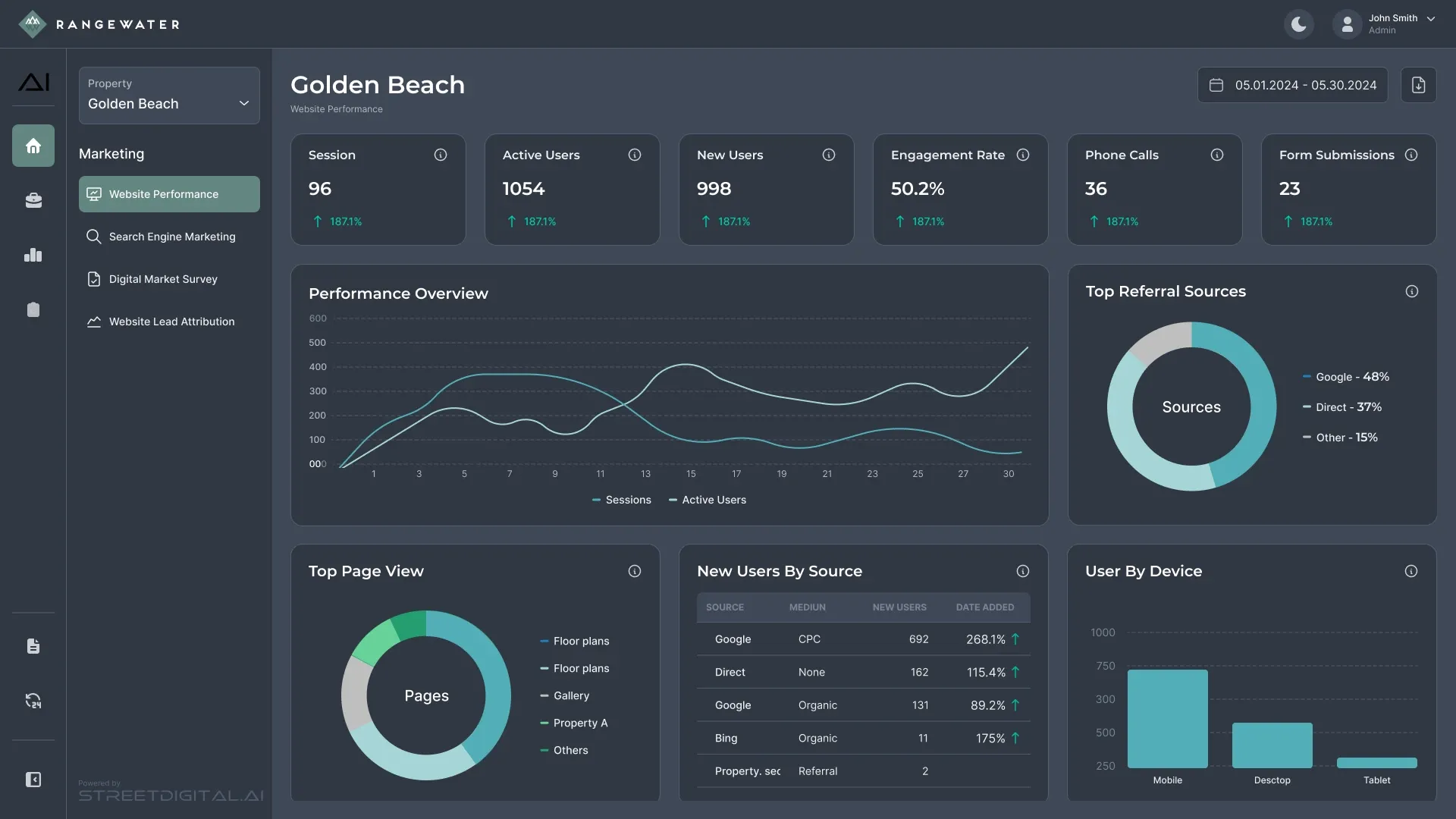
AI-Powered BI Software and Marketing Automation for Street Digital AI client
A luxury apartment marketing agency was losing money and clients to a rigid no-code BI tool. InterCode replaced it with a cloud-native data and analytics platform on Google Cloud Platform — cutting costs by 75%, loading dashboards in under 3 seconds, and onboarding new clients 4x faster. The platform has since evolved into an AI-driven marketing operations system built with Anthropic's Claude. This case study breaks down the challenge, the solution, and the results.
Read case study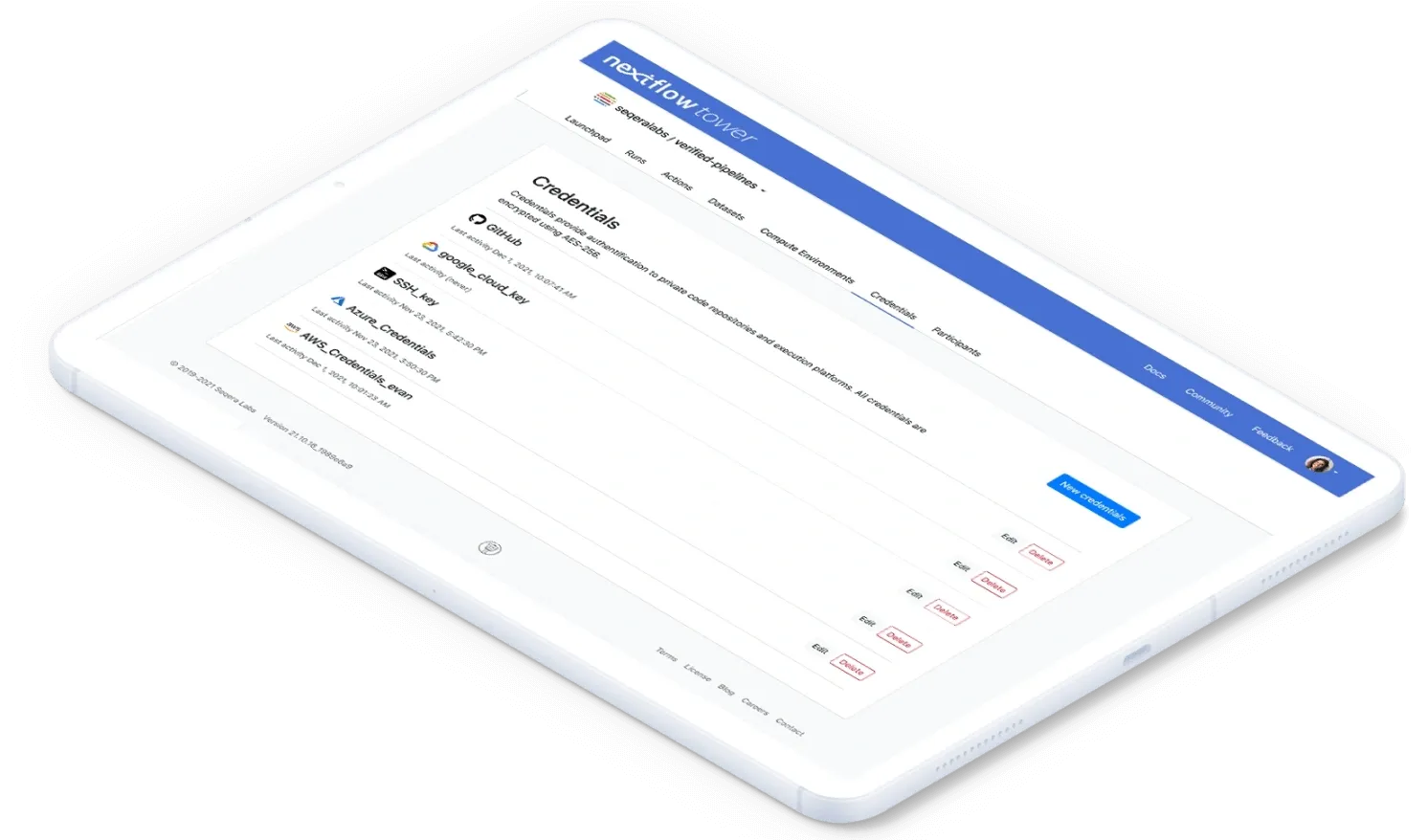
Bioinformatics Workflow Platform — Nextflow Tower
Case Study: Building the Nextflow Tower SaaS platform—workflow orchestration software for collaborative data pipelines, monitoring, and cloud infrastructure.
Read case study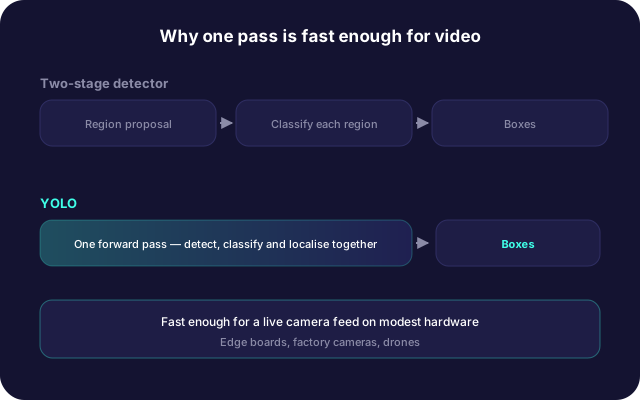
Why We Use YOLO
This technology is part of our AI and machine learning toolkit for building intelligent systems. Speed matters in production vision systems. Two-stage detectors often choke when processing 60 frames per second on modest machines. The YOLO family delivers high inference speeds without sacrificing detection accuracy.
- Tooling Support. The official Ultralytics YOLO tooling supports classification, instance segmentation, pose estimation, and oriented bounding boxes within a shared workflow.
- Broad Checkpoint Selection. We select the exact model scale your device needs. Light edge hardware runs nano checkpoints cleanly, while server deployments benefit from heavier detectors like YOLOv11m.
- Active Maintenance. Continuous updates across GitHub YOLO repositories ensure export scripts and CUDA support remain stable.
- Reliable Throughput. From older YOLOv3 installations to modern YOLO v11 releases, these architectures give our clients steady frame rates across edge devices and servers.
Two-stage detectors often choke when processing 60 frames per second on modest machines. The YOLO family delivers high inference speeds without sacrificing detection accuracy.
What We Build With YOLO (YOLO Use Cases)
We build custom YOLO models tailored to specific operational requirements. We develop:
- Prompt-Driven Vision. We configure object detection using natural language prompts. Users type plain text queries into an interface to locate novel items without retraining base weights.
- Spatial Perception. By pairing bounding boxes with Depth YOLO networks and stereo cameras, our systems calculate exact distances for warehouse automated guided vehicles.
- Simulation and QA. We set up YOLO object detection in video games to monitor bot behavior, test UI elements across odd screen resolutions, and spot graphic glitches automatically during nightly test passes.
- Edge Video Processing. We write custom YOLO AI pipelines for security cameras and traffic monitors that process high-resolution video streams locally on Nvidia Jetson hardware.
- Automated Factory Inspection. High-speed manufacturing lines inspect thousands of units per minute with a custom YOLO model running directly on industrial cameras.
- 80
- classes out of the box
- 1
- forward pass per frame
- 4
- model sizes, nano to extra large
- 5
- use cases we build
How Do We Work with YOLO
Building a reliable YOLO application requires clean datasets, custom training pipelines, and exported runtime engines. InterCode has hands-on production experience deploying AI systems across healthcare, fintech, and enterprise software, where reliability and explainability are non-negotiable. We don't just experiment with YOLO — we engineer AI features that perform under real-world conditions and integrate cleanly with existing systems.
- 1
Architecture Selection
We review project hardware to pick the right YOLOv framework variant. We pull established branches from YOLO GitHub sources, evaluate repositories like GitHub YOLOv11, or import standard weights through the Ultralytics YOLO library.
- 2
Data Preparation
Bad labels ruin performance. We clean bounding boxes, apply geometric shifts, adjust contrast, and generate synthetic edge cases so the AI YOLO network generalizes under tricky lighting.
- 3
Custom Model Training
We fine-tune weights starting from Ultralytics YOLOv8 baselines, standard YOLO v8 variants, or recent YOLO v11 checkpoints. If your project demands low memory usage, we test YOLO8 presets like YOLO v8s alongside larger backbones. We also maintain existing YOLOv8 codebases when needed.
- 4
Optimization and Deployment
We convert trained weights to TensorRT, ONNX, or CoreML. Your YOLO application runs with minimal latency on target edge hardware or cloud servers.
Need vision running on real hardware?
We train, export and deploy to Jetson, Raspberry Pi and industrial cameras.
Related Technologies




Frequently Asked Questions
If you ask an engineer to define YOLO, they will explain that it stands for You Only Look Once. When clients ask us to define YOLO, we point to how the YOLO algorithm evaluates entire images in a single forward pass rather than scanning region by region.
The YOLO algorithm treats visual detection as a single regression task. It splits an input frame into a grid of cells. Each cell predicts bounding box coordinates, confidence scores, and class labels at the exact same time, which gives the algorithm enough speed to process live camera streams.
An image passes through a convolutional or transformer backbone to extract feature maps. The detection head then predicts bounding box coordinates (x, y, w, h) along with class probabilities across candidate anchor points. Non-maximum suppression (NMS) filters the raw predictions, removing overlapping boxes and keeping only the highest-scoring detections.
A standard model can detect hundreds of individual items in a single scene, limited mainly by device memory and non-maximum suppression thresholds. Pre-trained weights identify 80 standard categories out of the box, but custom-trained checkpoints can handle thousands of distinct classes if needed.
Standard checkpoints recognize 80 common categories from the COCO dataset, like cars, pedestrians, traffic lights, and animals. Custom models detect whatever items you label. We build detectors for circuit board defects, industrial tooling, warehouse pallets, and medical equipment.
Beyond basic scripts, production setups export trained .pt weights into lightweight formats like ONNX, TensorRT, or CoreML. These exported engines connect directly to video processing loops, web APIs, or edge computing hardware like Nvidia Jetson boards.
For real-time edge processing and low latency, YOLO is usually the top pick. Slower two-stage models or heavy vision transformers might achieve slightly better detection accuracy on tiny background objects. Still, they demand bulky servers. YOLO strikes a practical balance between speed and precision.
Ultralytics YOLOv8 and YOLOv11 are the most reliable choices today. YOLOv8 has massive community adoption and stable deployment export tools. YOLOv11 refines the backbone architecture to deliver higher precision with fewer computational parameters.
Ready to Build with YOLO?
Build production-grade AI features with YOLO — partnering with InterCode's experienced ML engineering team.
Contact Us